
Featured application
Coastal data centers and critical infrastructure
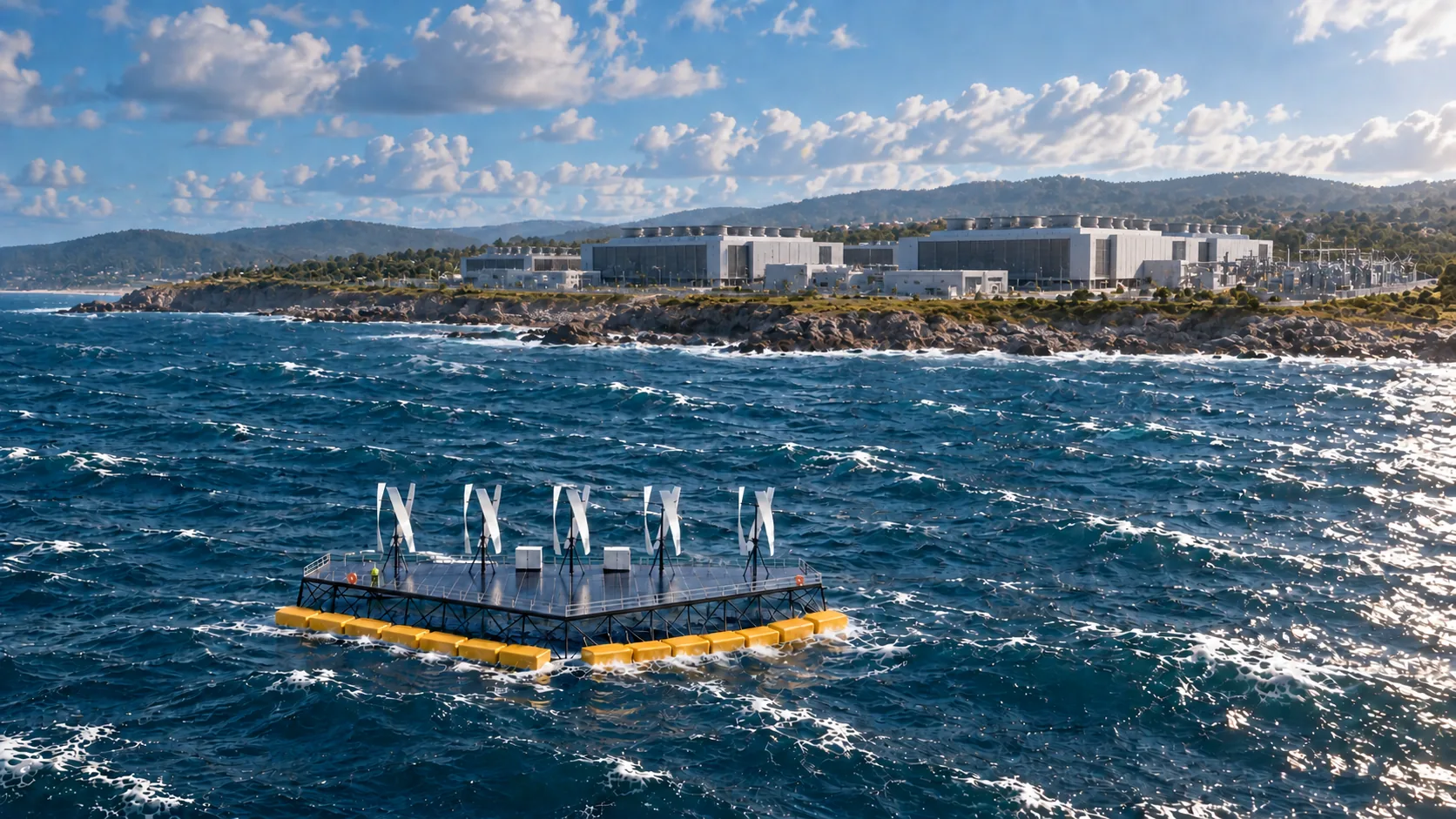
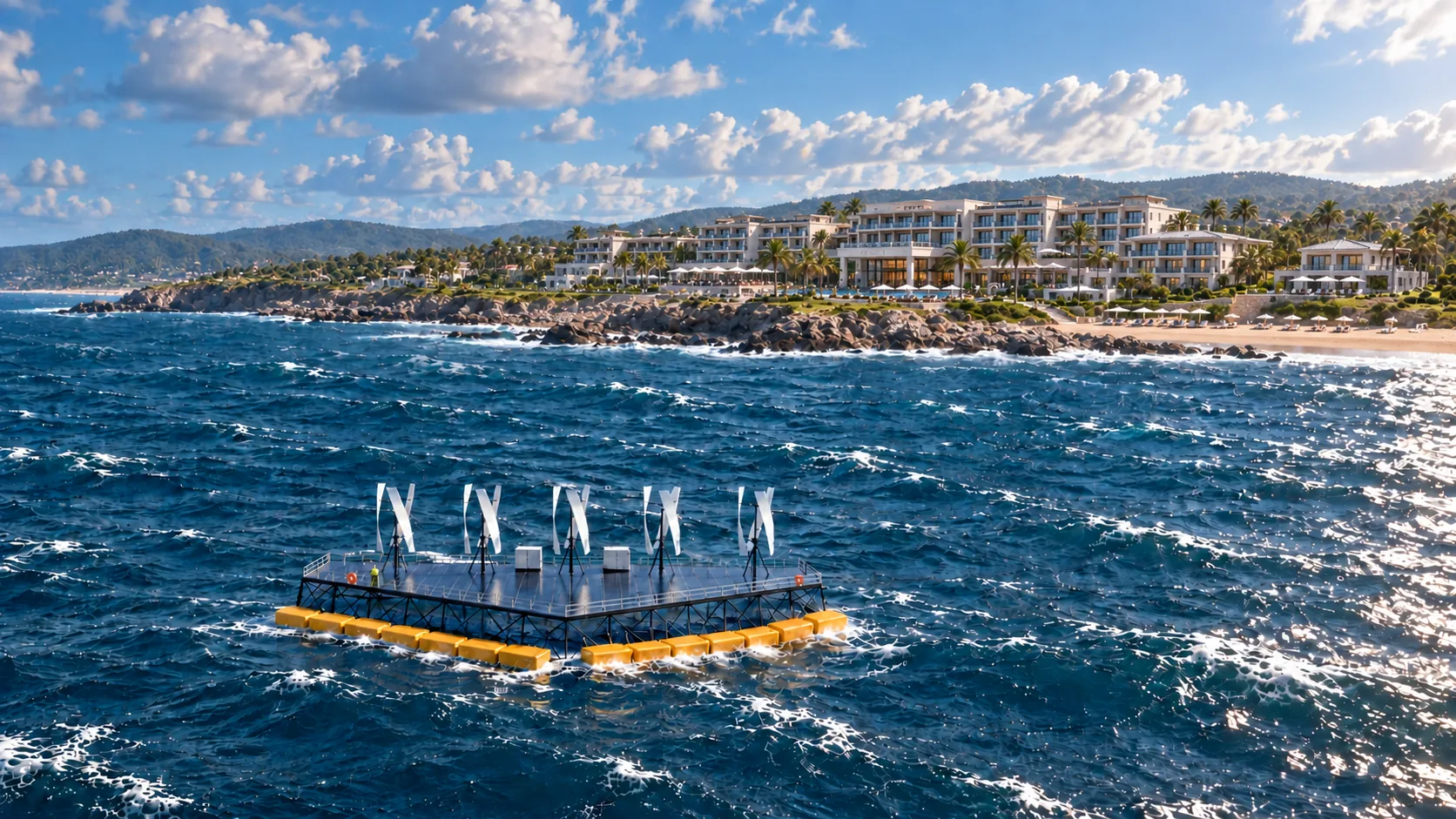
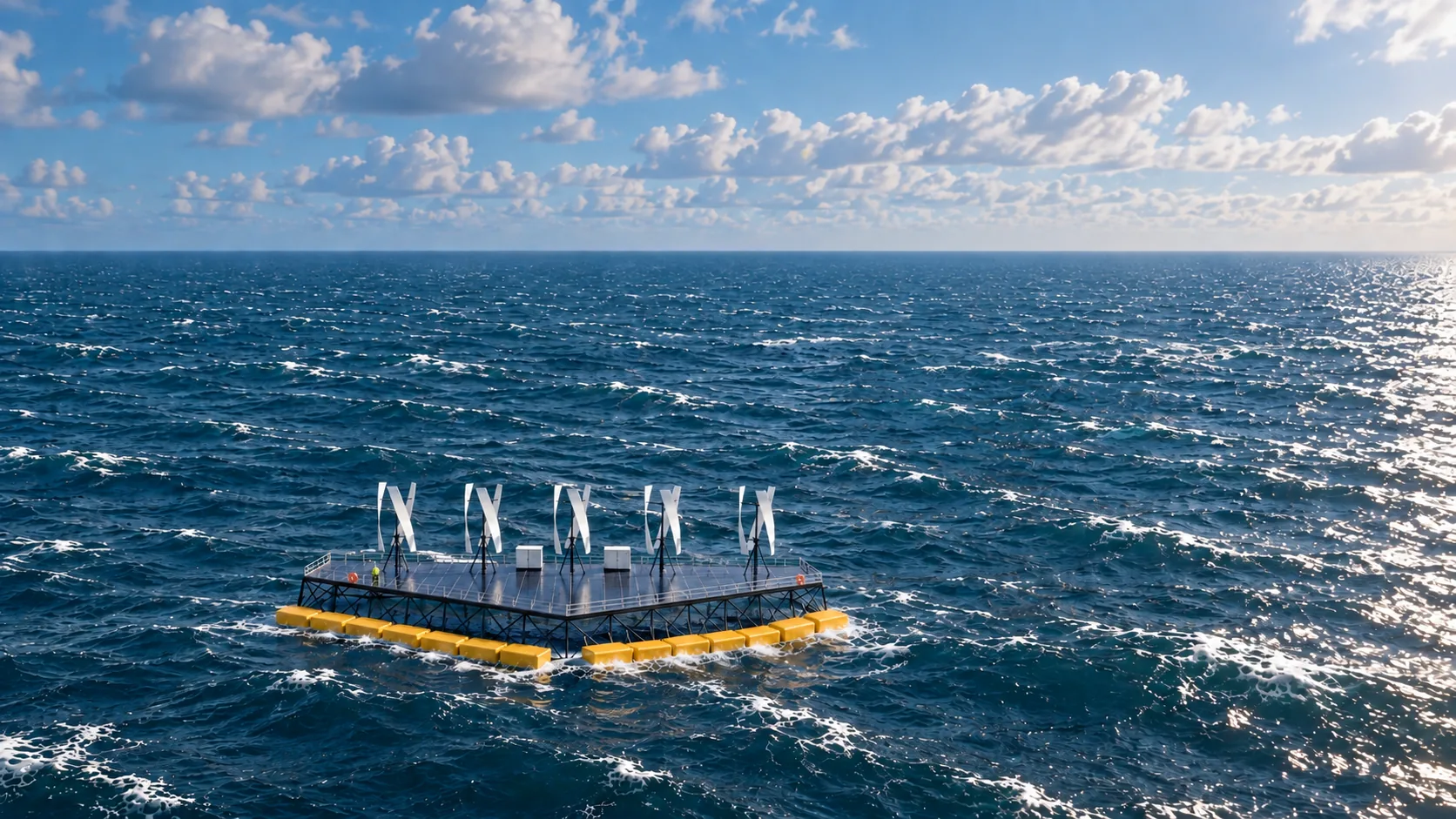
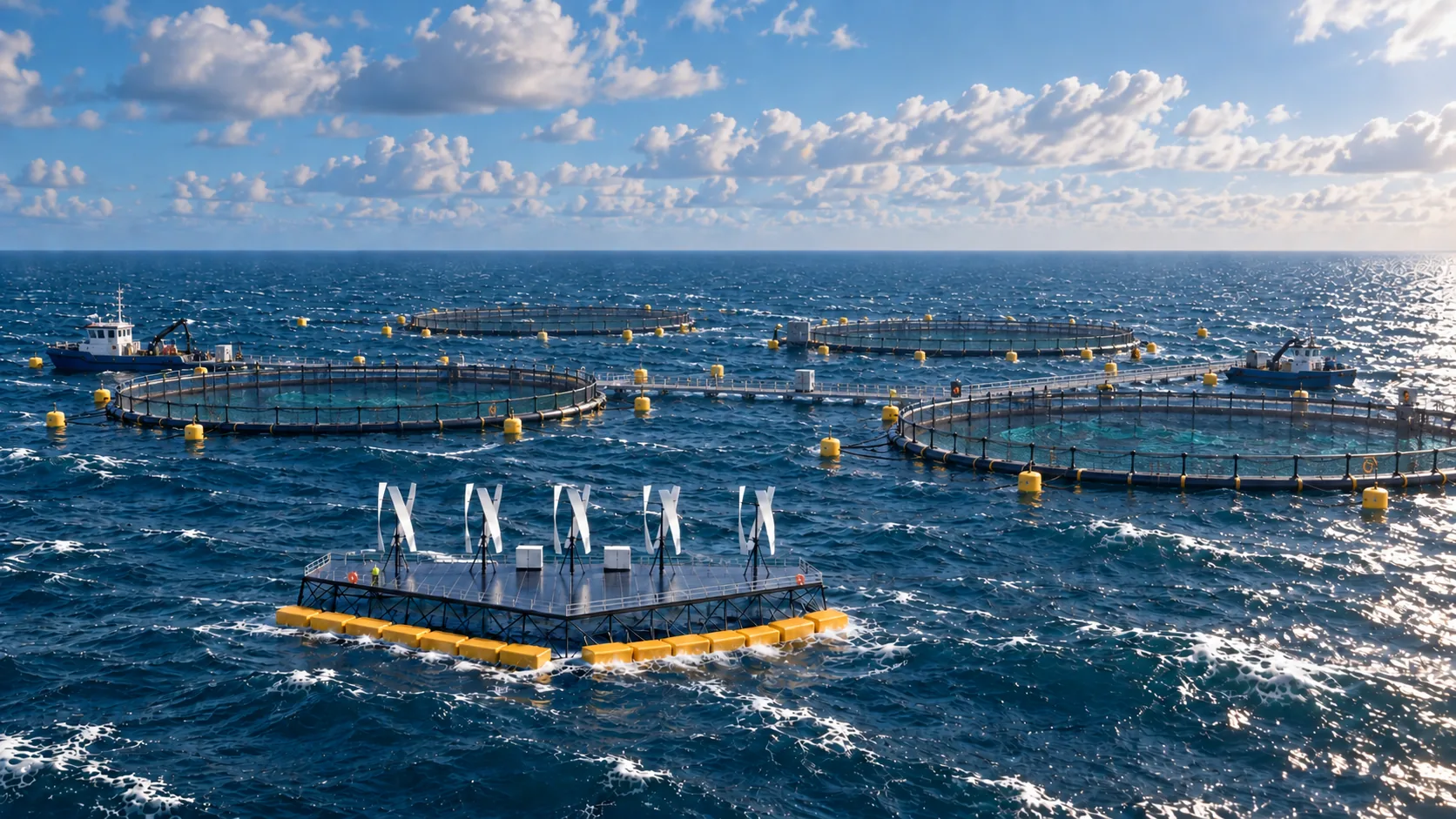
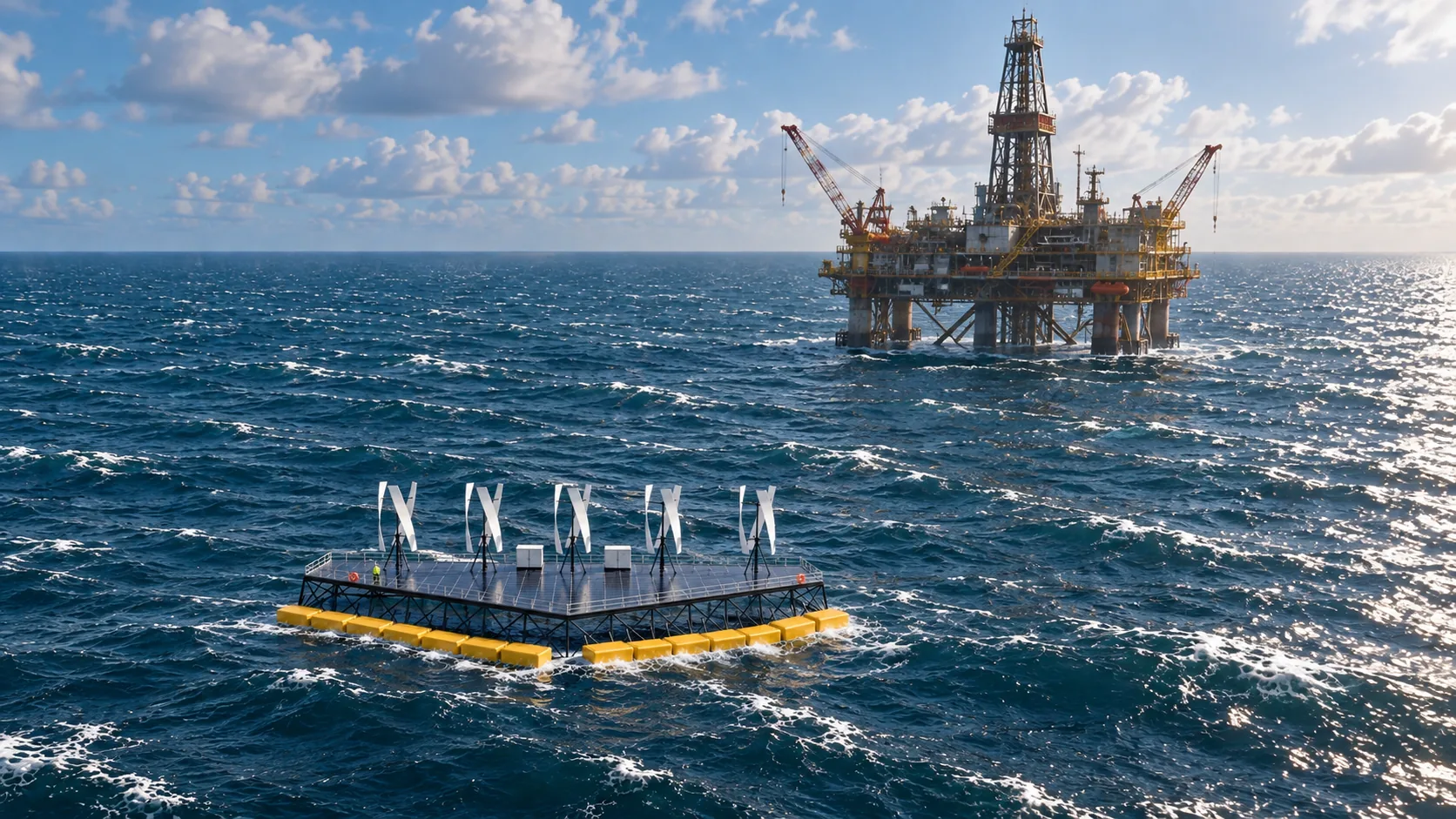
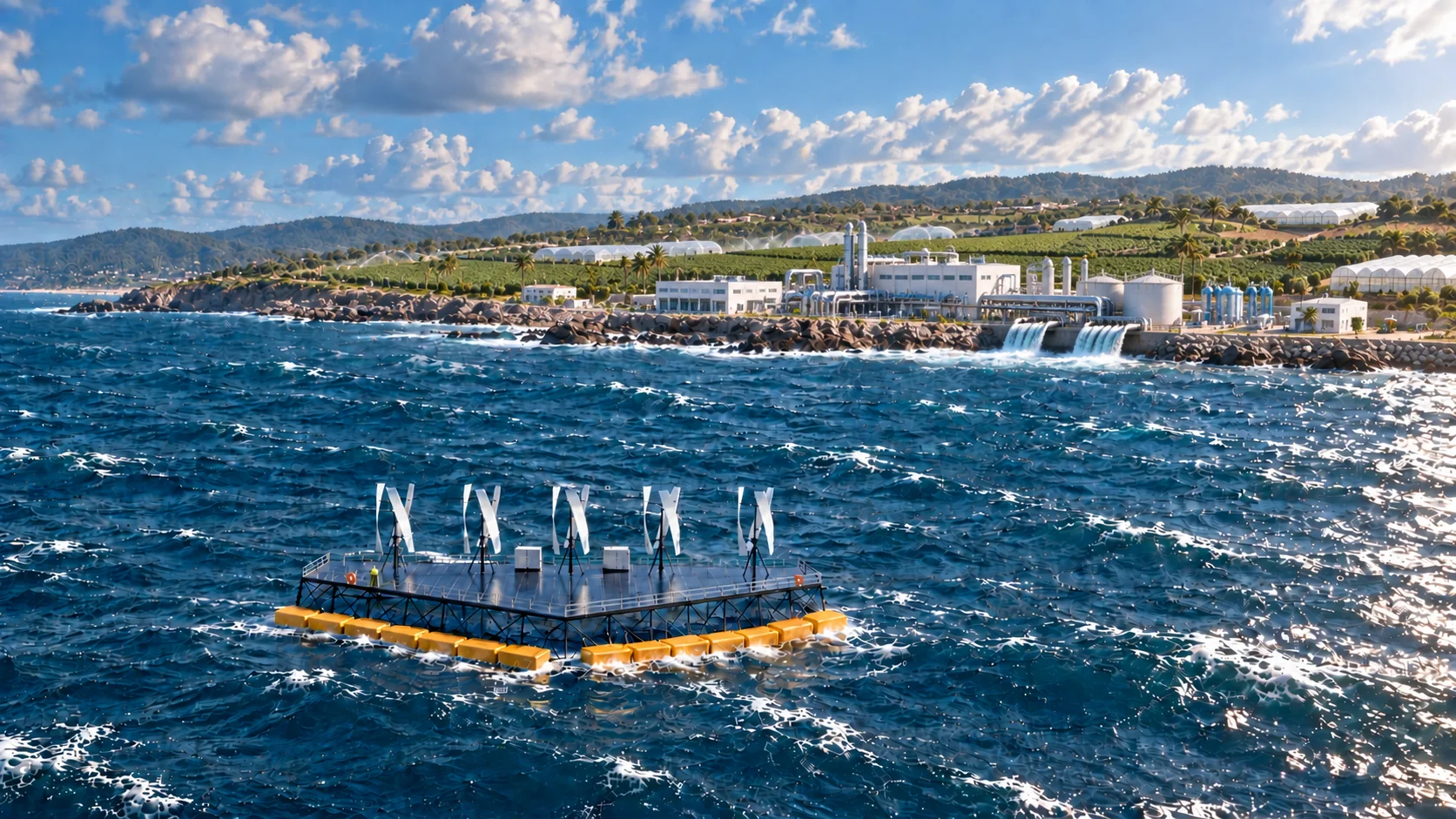
Generation in the water in front of the load — wave, wind and solar on one structure, added a unit at a time as the campus grows.
Featured application 02
One of four priority early applications for the NoviOcean platform. This page sets out the customer problem, what NoviOcean brings to it, the evidence a buyer of firm supply actually needs, and a possible route to a first project.
Try it
What would an array do for your campus?
Set the array size and the campus load. The model returns the share of that load a NoviOcean array could cover in a representative year. It is a supply calculation, not a resilience one — see the note under the results.
This models supply only. It does not replace UPS, N+1 backup or any continuity guarantee, and NoviOcean does not claim it does. Sites with strict continuity requirements pair the platform with existing backup rather than substituting for it.
Illustrative scenario based on representative assumptions. Actual performance depends on location, wave climate, wind, solar irradiation, configuration, load profile and local energy costs. Contact NoviOcean for a site-specific assessment.
The assumptions behind these numbers
| Assumption | Value | Source |
|---|---|---|
| Rated power per unit | 850 kW — 300 wave / 350 wind / 200 solar | Deck slide 6; identical on Technology, Medi Wave 850H, Validation and Simulator modeled |
| Annual production per unit | ~2,500 MWh per year | Deck slide 22 — representative modeled production, not guaranteed for your site modeled |
| Diesel displaced | 400 litres per MWh delivered | Derived from ~1,000,000 litres per 2,500 MWh, deck slide 22 modeled |
| Emissions avoided | ~1 tonne CO₂e per MWh delivered | Derived from ~2,500 t per 2,500 MWh, deck slide 22 modeled |
| NoviOcean energy cost | ~70 €/MWh (~7 c€/kWh) | Conservative end of the Stage A range, 4–8 c€/kWh, deck slide 26 projected |
| Capacity factor | not used | V2 publishes no Medi Wave capacity factor. Annual energy comes straight from the published figure above, never from a capacity factor. estimate |
Demand and price above are illustrative defaults, not your site’s figures, and no local wave, wind, solar or demand data has been used. Output is representative modeled production, not a guarantee.
The customer problem
Rapidly growing electricity demand, and interest in local, more stable clean energy.
Data centers and other critical coastal infrastructure are not short of megawatt-hours in the abstract. They are short of megawatt-hours at a particular place, on a particular date, with a clean and verifiable origin — and that is a harder thing to buy than it used to be.
Demand outruns the connection
Load growth is arriving faster than onshore grid connections are being built. A campus can be financed, designed, permitted and staffed long before the connection that feeds it is energised, and the schedule that matters to the operator is rarely the schedule the network can commit to.
The coast is a constrained edge
Coastal sites are chosen for cable landings, cooling water and latency — which puts them at the edge of the transmission network rather than at its centre. Queue times and constrained coastal substations are a real constraint, and reinforcement takes years that sit outside the operator’s control.
Local and additional, not certificates
Operators increasingly want generation that is local, additional and demonstrably clean — power that can be pointed at from the site, rather than certificates bought at a distance and matched on an annual balance. Proximity is becoming part of the definition of clean supply.
- NoviOcean publishes no figure for global or regional data-center electricity demand. Where a number would help the argument and no verified source exists, the sentence is written without one.
- Whether an offshore hybrid unit is the right answer at a given site depends on the wave climate, wind, irradiation, water depth, seabed, distance to the campus and the local cost of energy. Those are assessment questions, not marketing ones.
What NoviOcean brings
Put the generation in front of the load.
Generation at the water’s edge
The platform is moored offshore from the site, so generation sits in the water in front of the load rather than at the far end of a congested onshore connection. Nothing competes for land beside the campus, and the power reaches it over a short route the project controls.
One structure, three sources, whole units
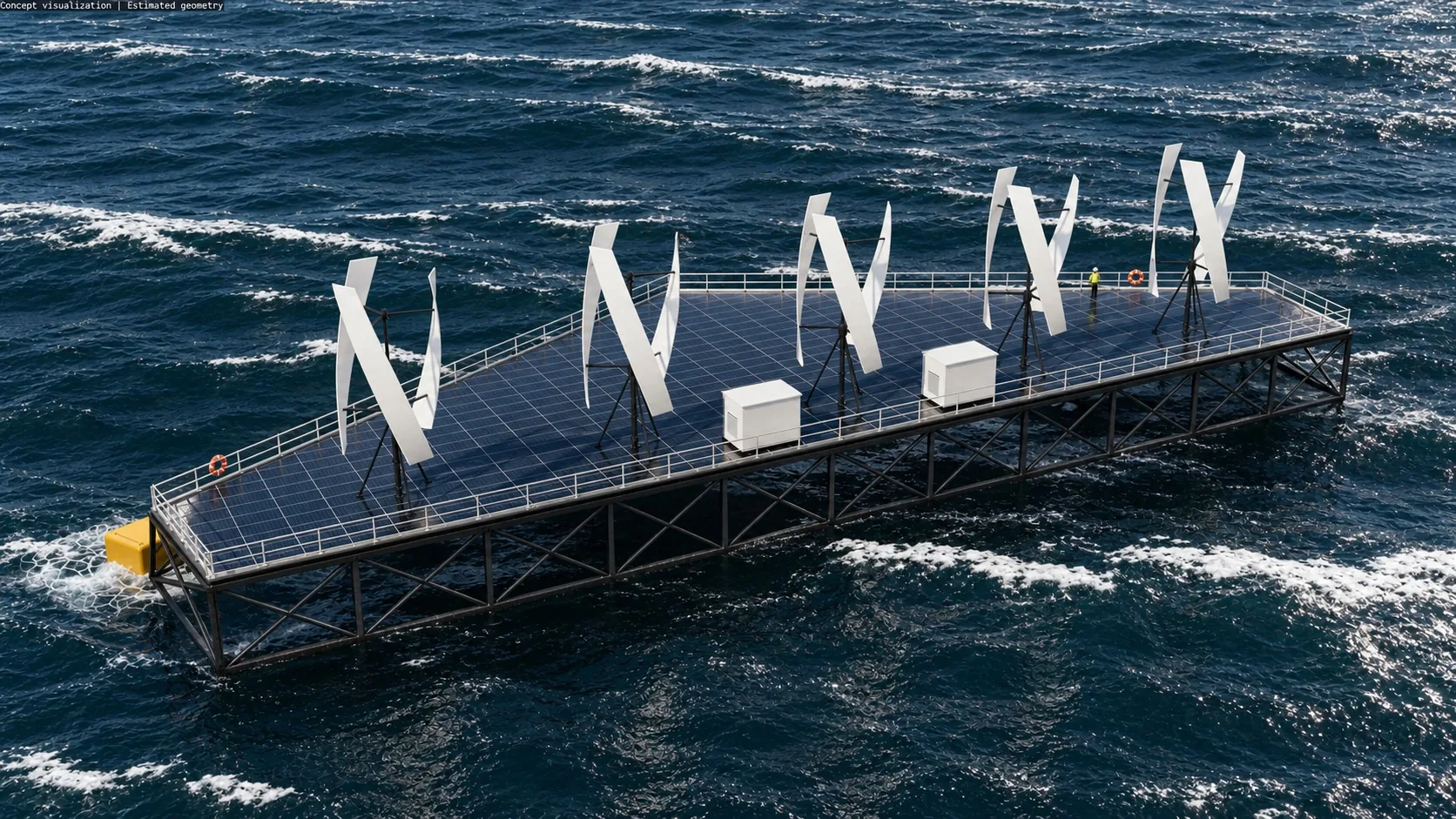
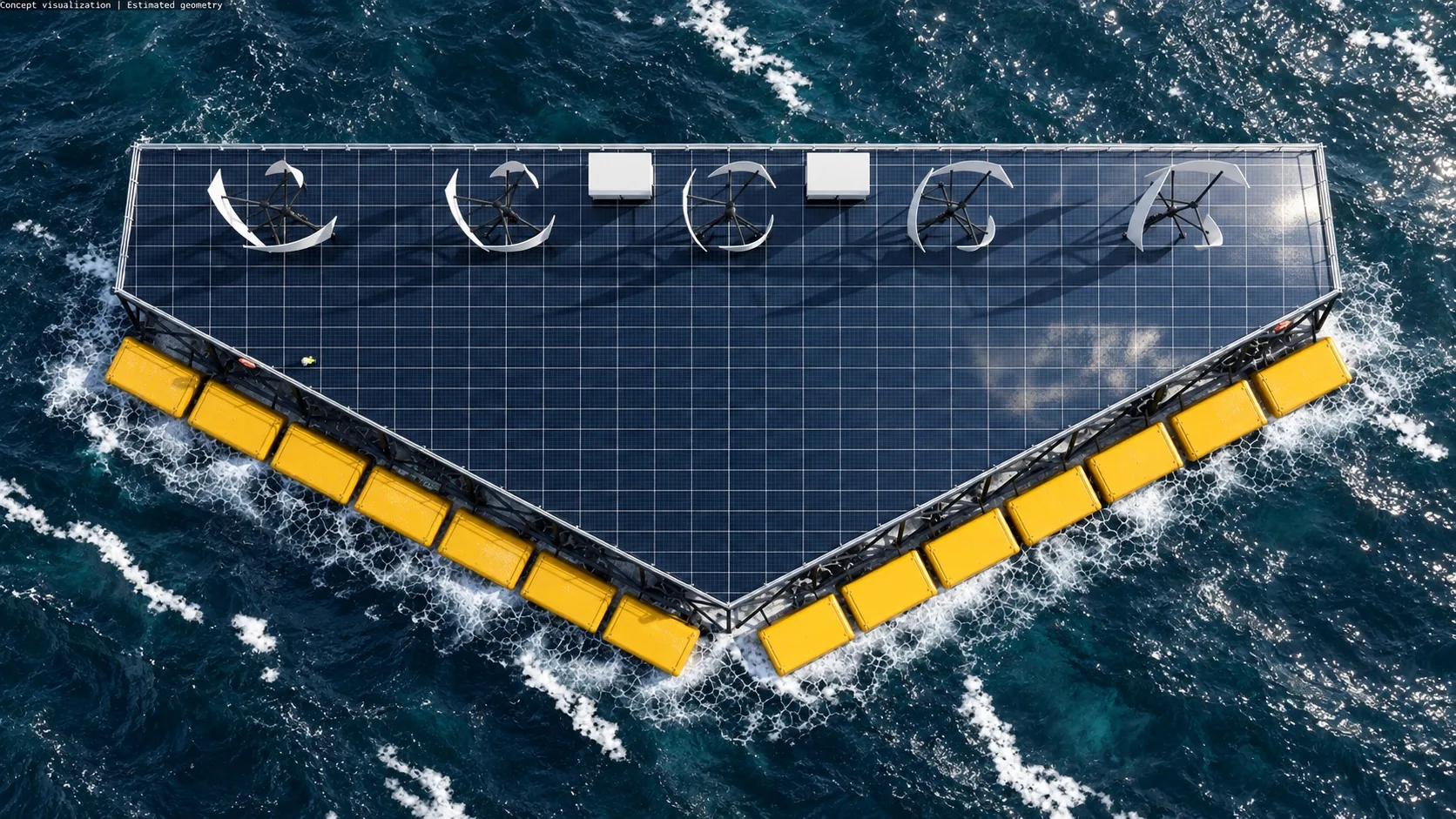
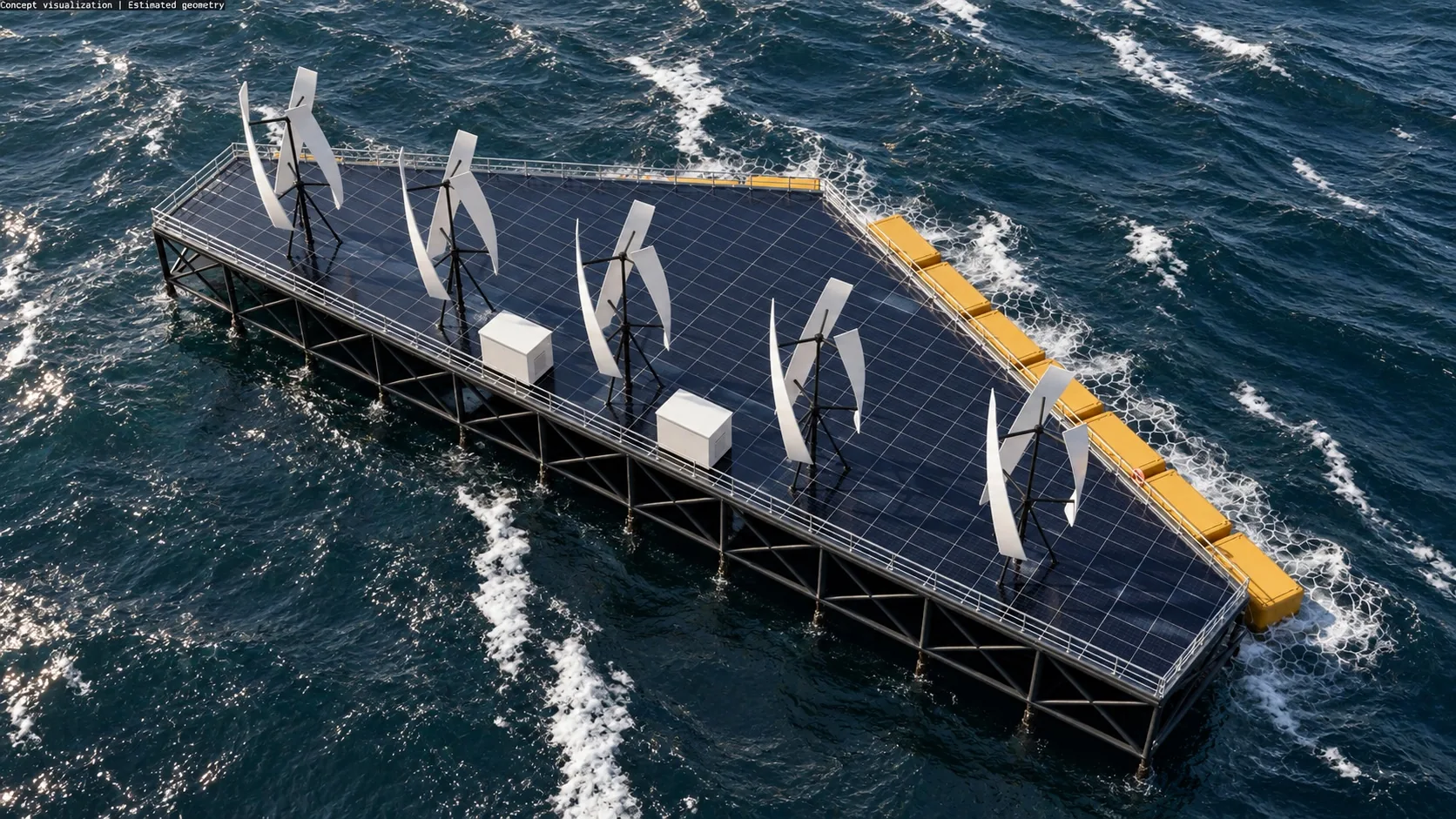
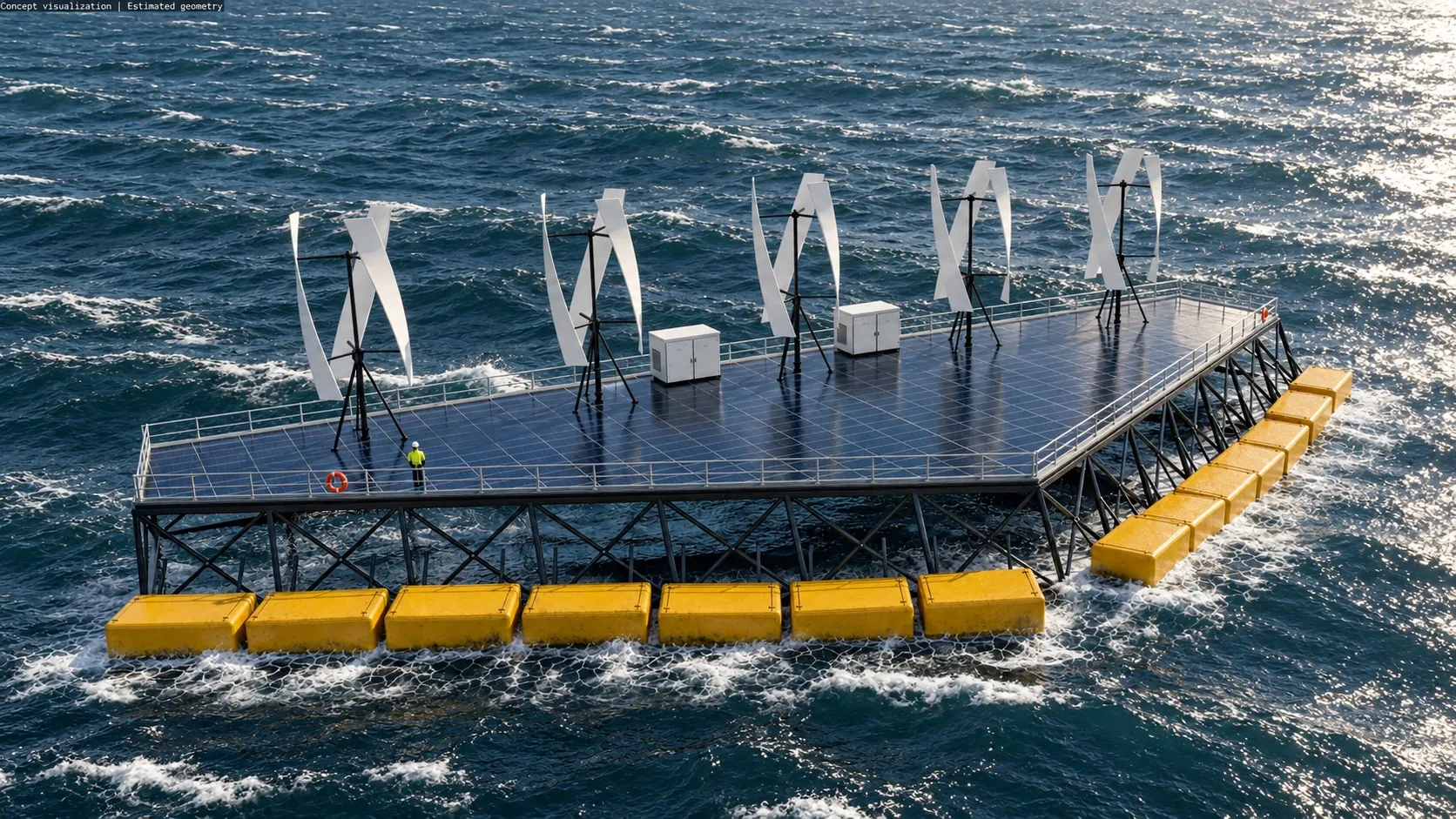
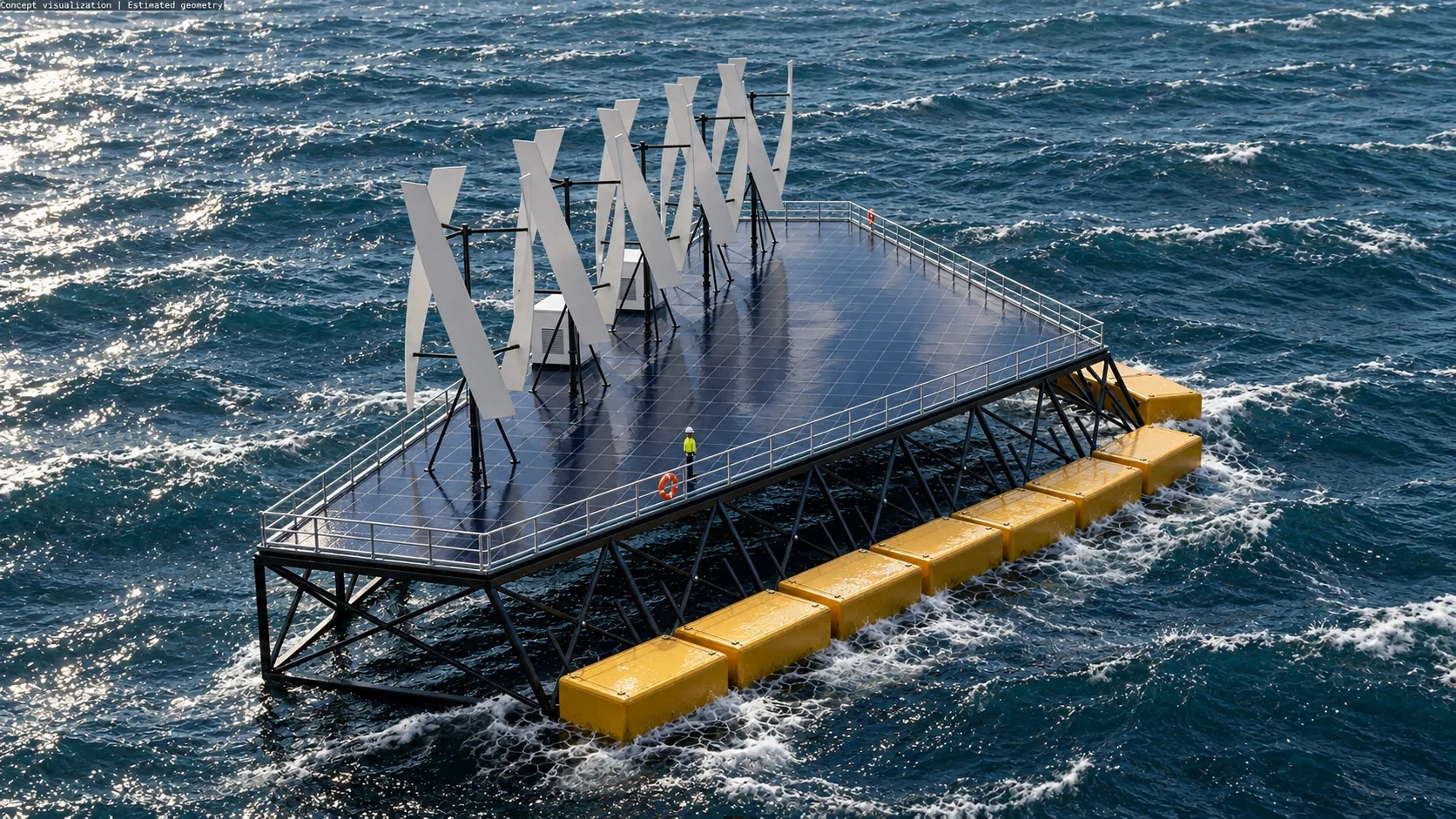
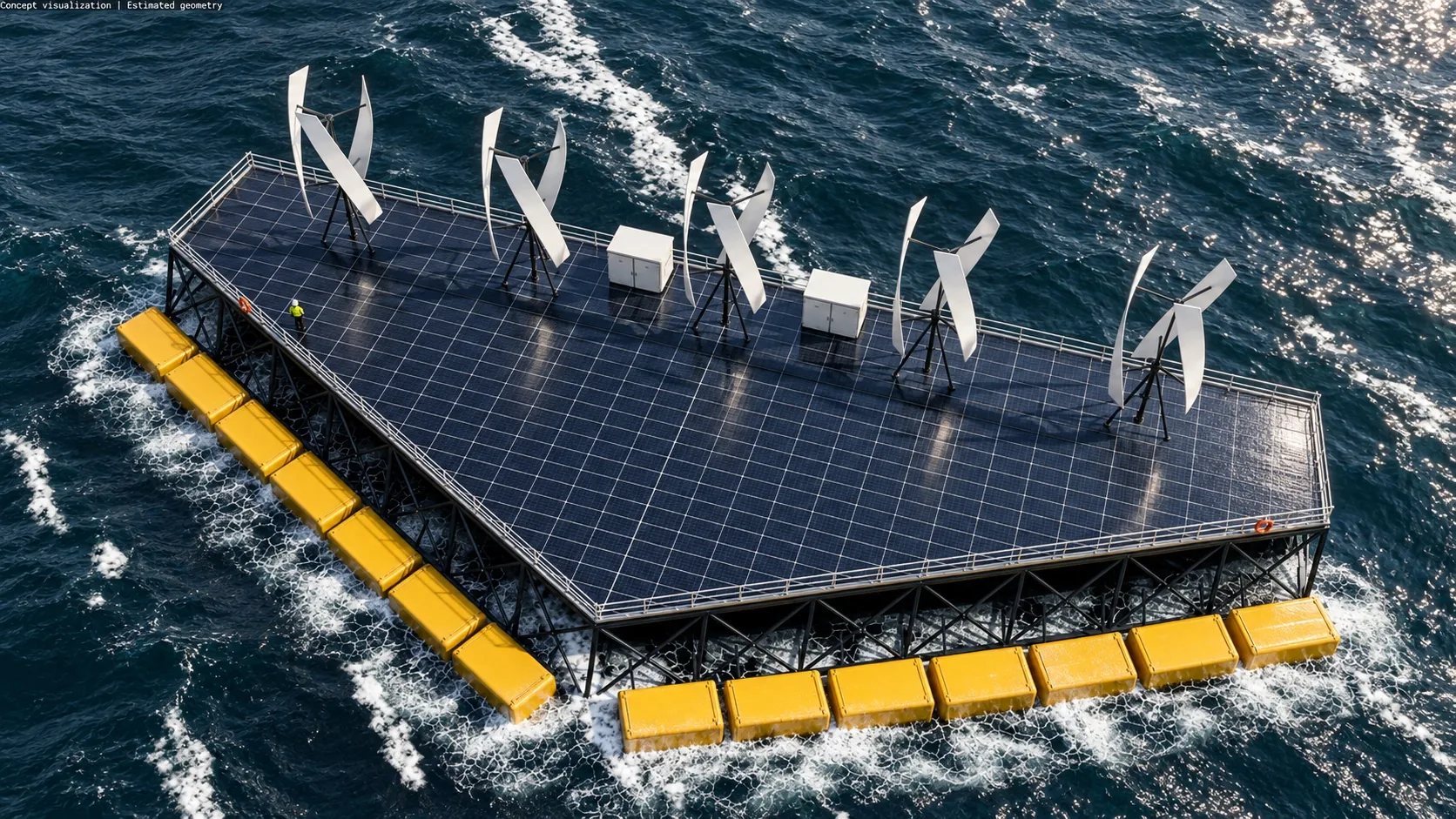
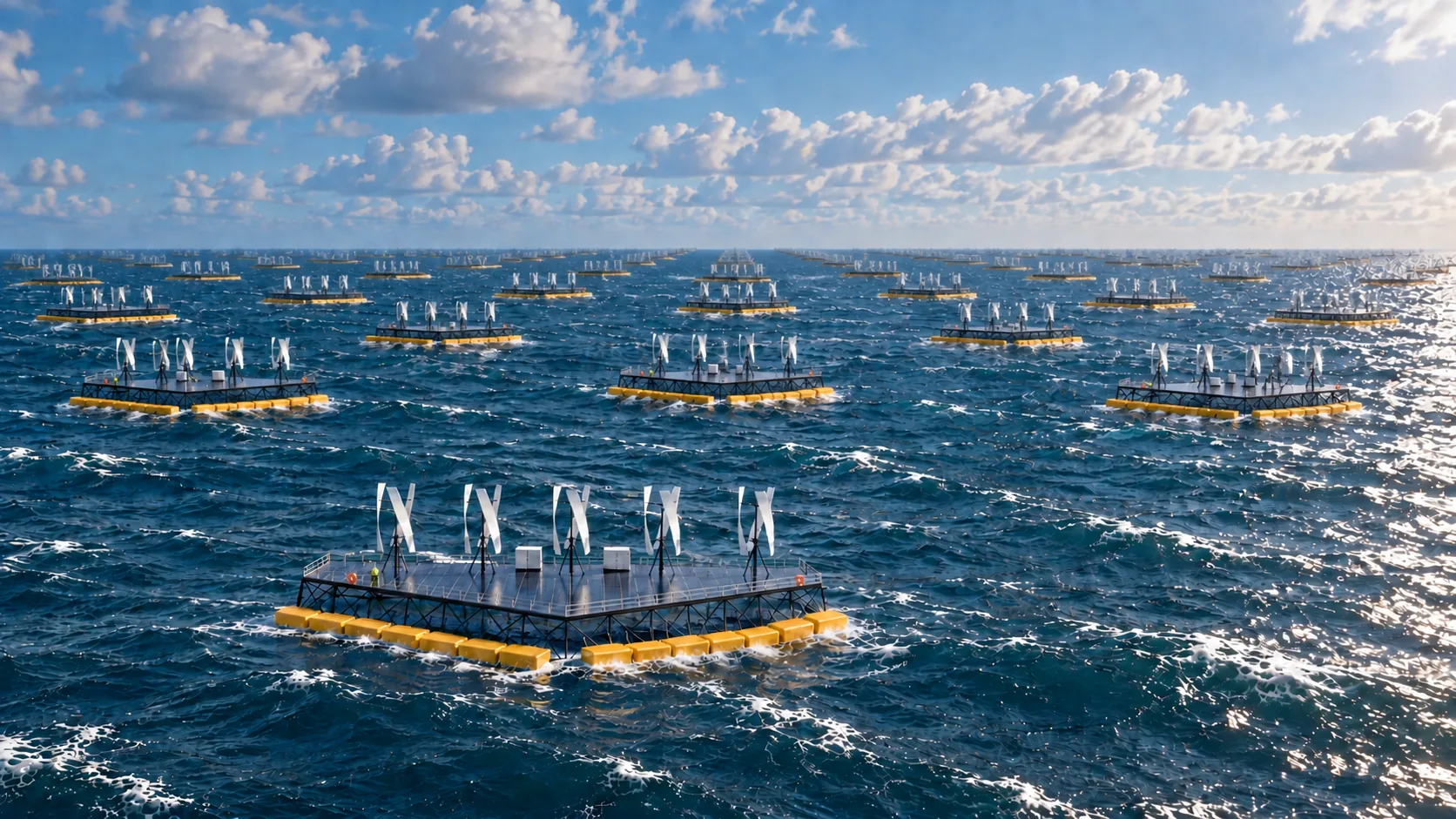
Wave, wind and solar are collected on one structure, with one mooring, one cable and one installation — so a campus adds capacity in whole units instead of commissioning three separate offshore projects, each with its own consent, vessel campaign and connection.
Each unit is rated at 850 kW: 300 kW wave, 350 kW wind and 200 kW solar. management estimate The design is intended to scale from single units to offshore arrays of up to 5 MW. management estimate
More hours, not only more megawatt-hours
Wave, wind and solar are off-phased: waves continue long after the wind that raised them has dropped, and rebuild as new wind systems form. Because the three sources rarely peak together, a hybrid unit delivers across more hours of the day and the year than a single-source plant of the same rating. modeled
For a load that runs continuously, hours of supply matter more than headline capacity — which is why the comparison below is drawn at system level rather than at generator level.
The evidence that matters here
Cheap generation alone is insufficient — the full energy system is what matters.
A buyer of firm supply is not buying a generator, but a system that keeps a load steady. Once the storage, backup and oversizing needed to serve that load are counted, the ranking by headline cost of energy is not the ranking that survives.
The same comparison, in full
| System | Generation CAPEX / MW | Standalone LCOE | Storage & backup need | Installed capacity for a reliable 10 MW load | Total system CAPEX | Reliable 24/7 economics |
|---|---|---|---|---|---|---|
| Solar only | Low | Very low | Very high | Very high | Very high | Weak |
| Wind only | Moderate | Low | High | High | High | Moderate |
| Wind + solar | Low–moderate | Low | Moderate | Moderate–high | Moderate–high | Moderate |
| NoviOcean hybrid | Moderate | Competitive | Low–moderate | Moderate | Moderate | Strong |
Qualitative system comparison from NoviOcean’s own system modelling (Extended Presentation, slide 9). Ratings are relative, not absolute, and depend on the site, the load profile and local energy prices. The 10 MW load is an illustrative reference case, not a quotation for any particular campus.
Per unit
What a campus actually gets.
Three figures, each with the evidence behind it. Annual production is representative modelled output, not a guarantee for any particular location.
850 kW
Rated power, per unit
300 kW wave, 350 kW wind and 200 kW solar, from one structure, one mooring and one cable to shore.
management estimate~2,500 MWh
Per unit, per year
Representative modelled production. Actual output depends on the wave climate, wind, irradiation and configuration at the site.
modeledUp to 5 MW
Array scale
The design is intended to scale from a single unit to offshore arrays, so a campus can expand in step with its own load growth.
management estimateWant these figures for a specific array size and load? The scenario tool builds an illustrative case with every assumption visible on screen.
Try the scenario simulatorA possible project pathway
Start with an assessment, not an order.
A generic route, written to be understood before a first conversation. It names no customer, country or partner, and describes no committed project.
Step 01 — Load and site assessment
A joint review with the operator: the campus load profile and its growth plan, the connection position and its constraints, and the wave, wind and irradiation conditions at the candidate sea area, together with depth, seabed and distance to shore.
Step 02 — A first co-located unit
One unit sited in front of the campus under a power-purchase or lease arrangement, so the operator buys energy or capacity rather than a prototype. Ownership can sit with the operator, with a project company, or with a partner that runs the plant and sells the output.
Step 03 — Staged expansion
Further units added in step with the campus, each one a repeat of a configuration that has already been built and operated at that site — expansion by replication rather than by a new offshore programme each time.
What a NoviOcean unit is for
- Local, additional generation sited in front of the load
- Wave, wind and solar capacity added in whole 850 kW units management estimate
- Production spread across more hours than a single-source plant of the same rating modeled
- Staged expansion in step with campus load growth
- Pairing with onshore storage where continuity requirements are strict
What it does not claim to be
- Not a replacement for uninterruptible power supply (UPS)
- Not a replacement for N+1 or other on-site backup generation
- Not a substitute for the grid connection or for a site’s contracted supply
- Not a guaranteed output figure for any particular location
- Not a claim that every coastal campus is a suitable site
Sites with strict continuity requirements pair the platform with onshore storage rather than replacing existing backup. NoviOcean supplies clean, local energy into the campus; the resilience architecture — UPS, backup generation, redundancy — stays exactly where the operator’s standards already put it.
Related applications
The same platform, sited for a different job.
Coastal campuses are one of approximately twelve credible applications. management estimate These three are the nearest neighbours to a data-center project.
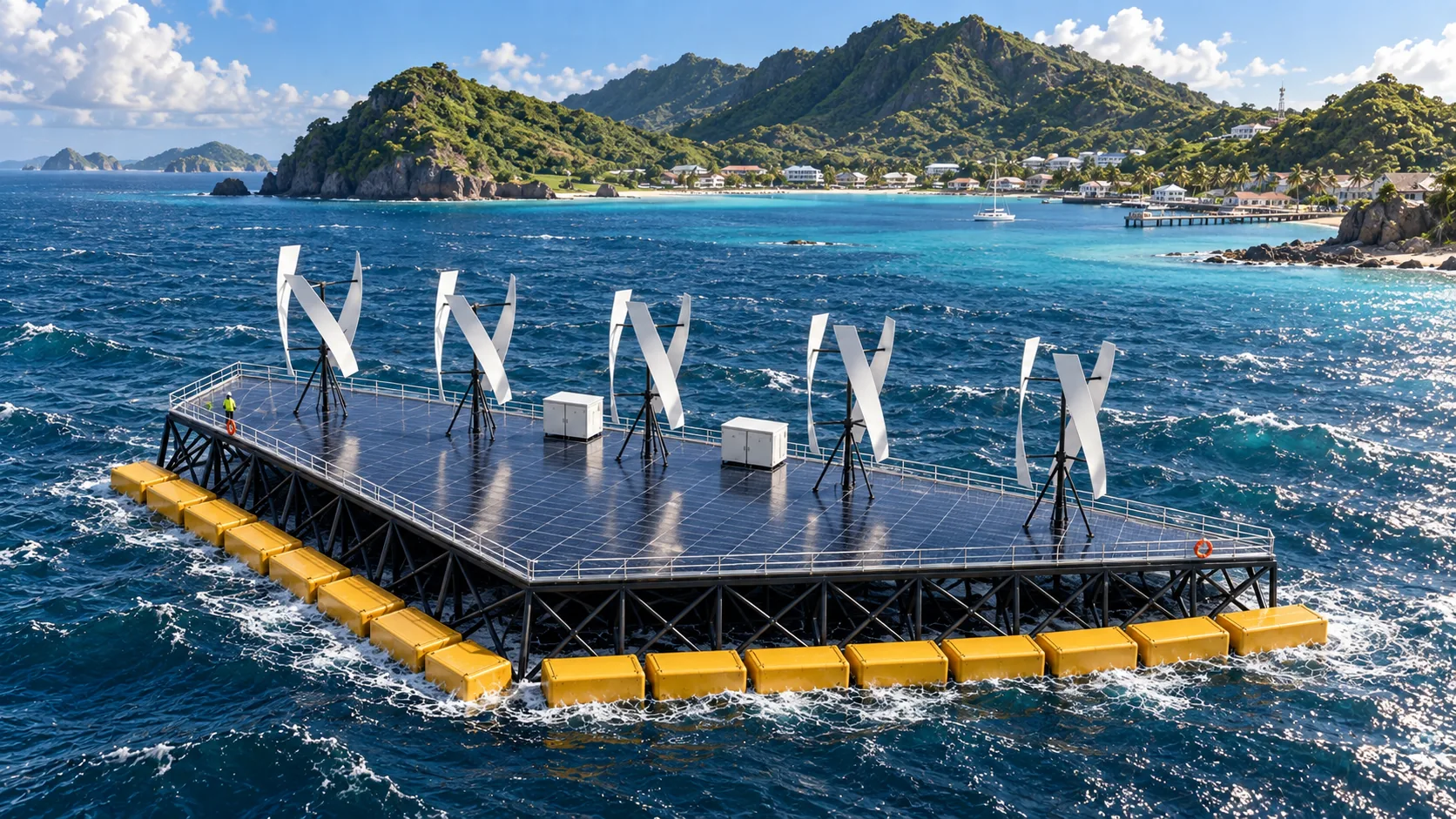
Bring the generation to the campus.
Tell us the site, the load profile and what the connection currently allows. We will tell you honestly whether an offshore hybrid unit is a sensible fit for it — and what an assessment would involve.