
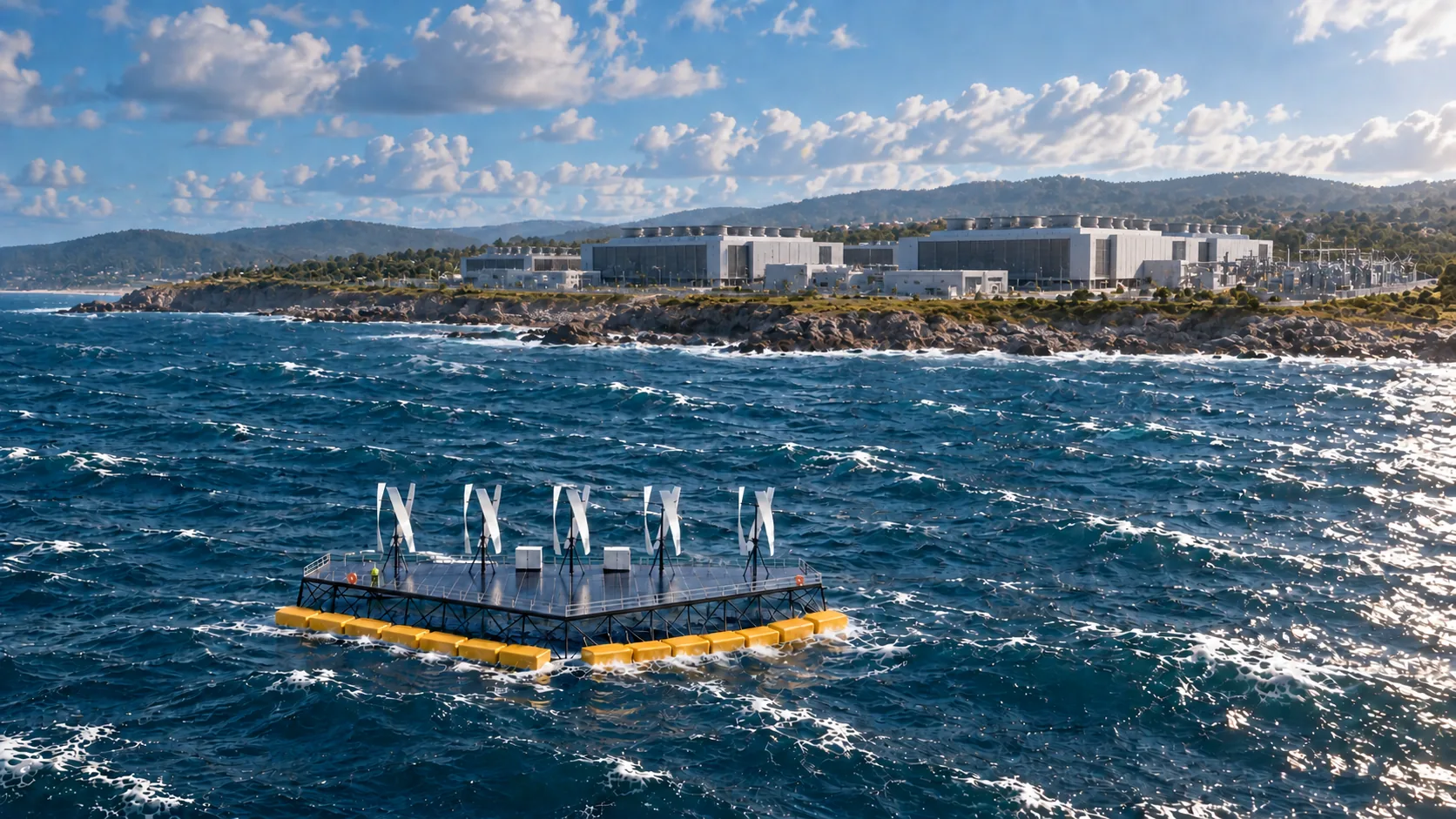
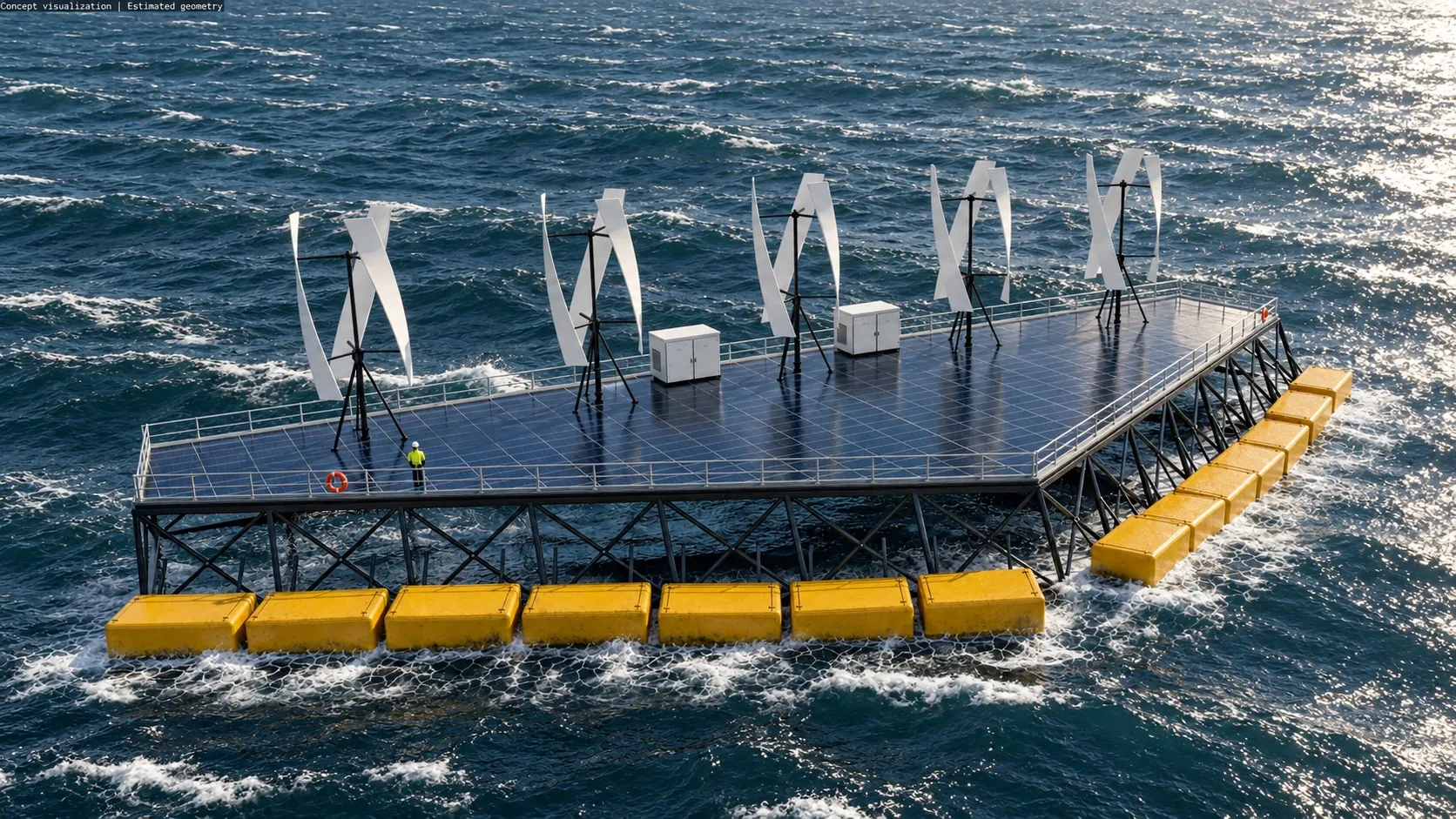
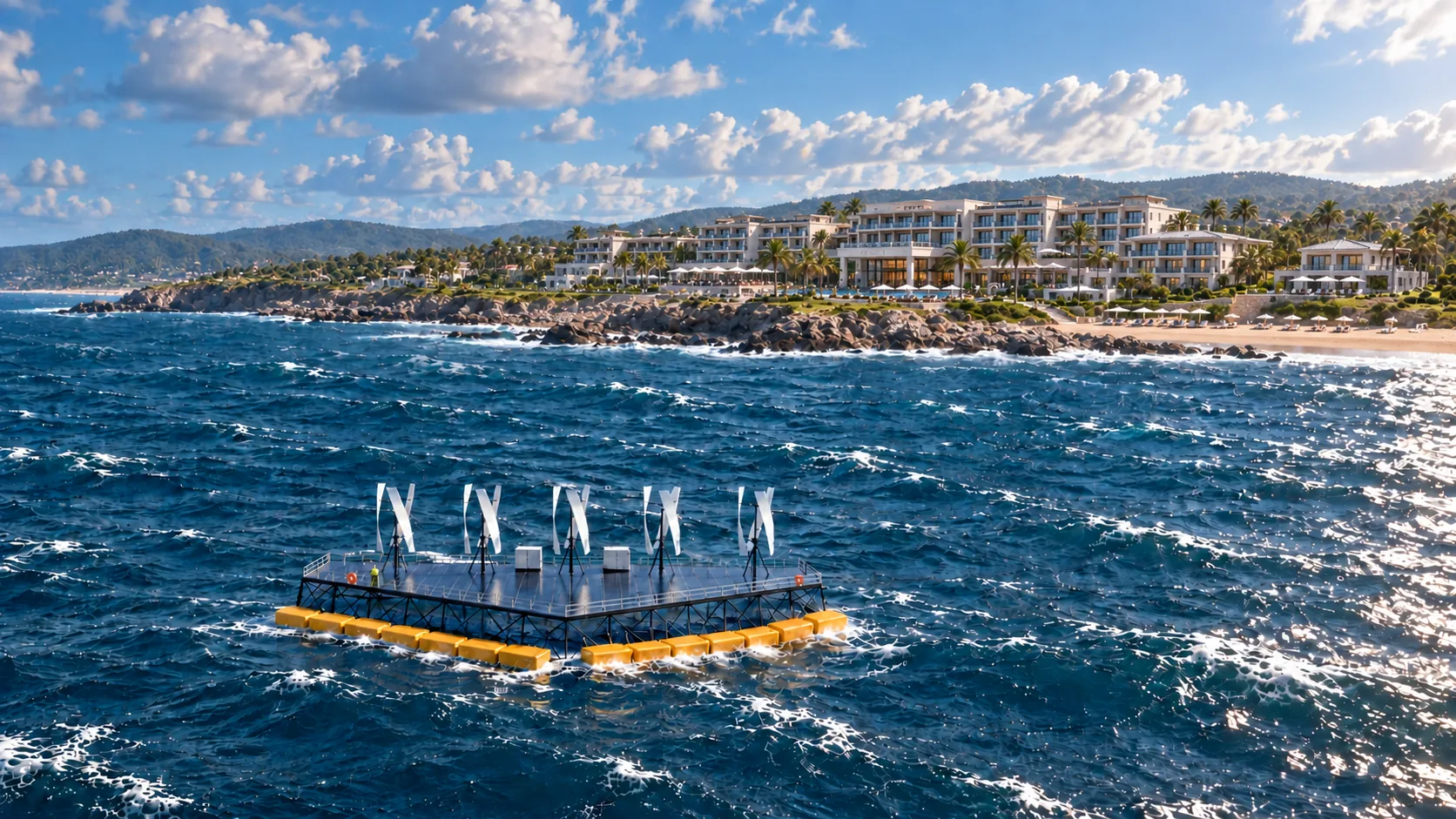
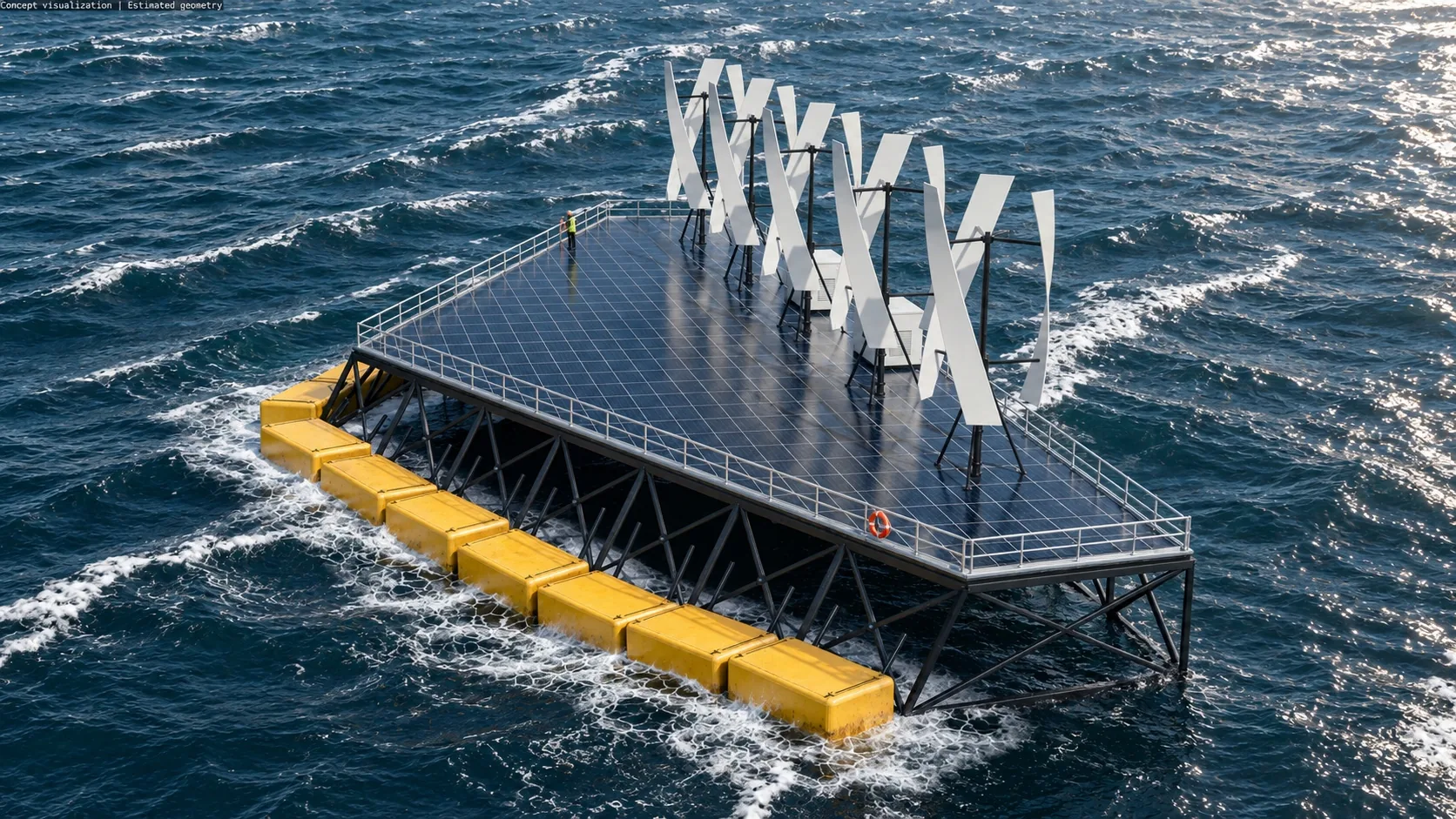
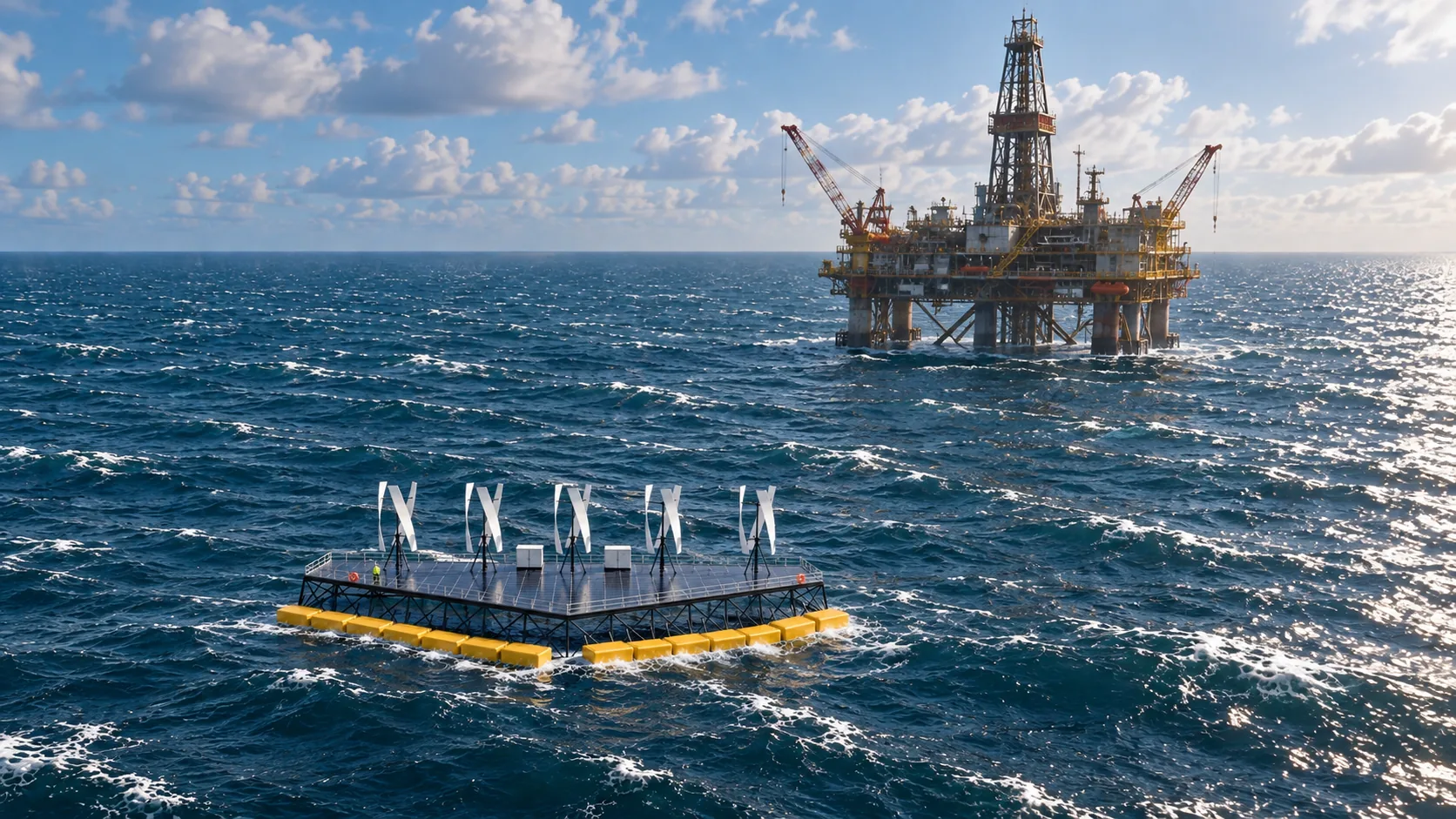
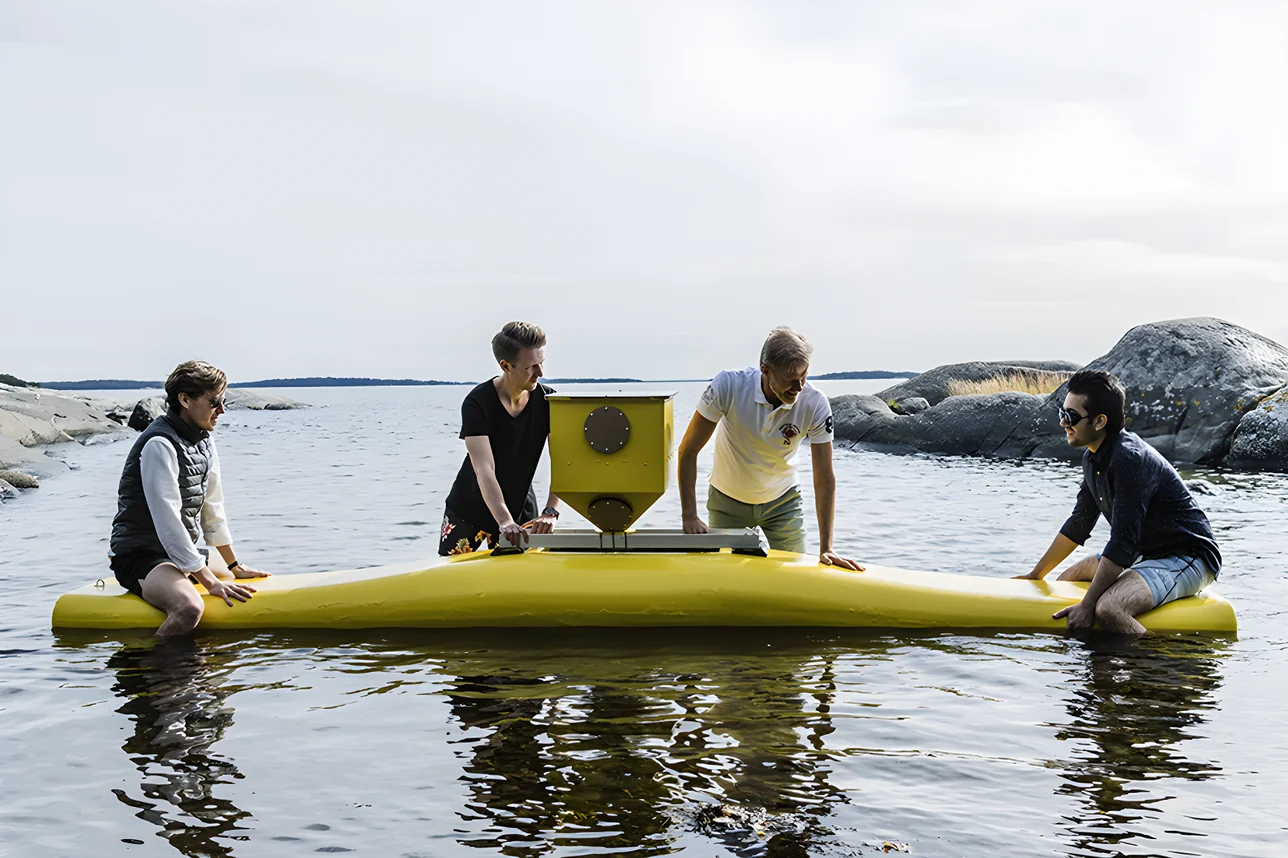
 Completed
Stage 1
Concept Validation
2016–2019TRL 1–3
Concept development and numerical validation.
Validation
Real hardware, numerical modelling, tank work, power-take-off testing and offshore operation — each stage built on measured results from the one before it. This is a programme with evidence behind it, not a concept waiting for its first test.
Development journey
Where the programme has been, where it is now, and what comes next. Completed stages are marked completed. The current stage is marked current. Nothing further ahead is described as done.
Completed
Concept development and numerical validation.
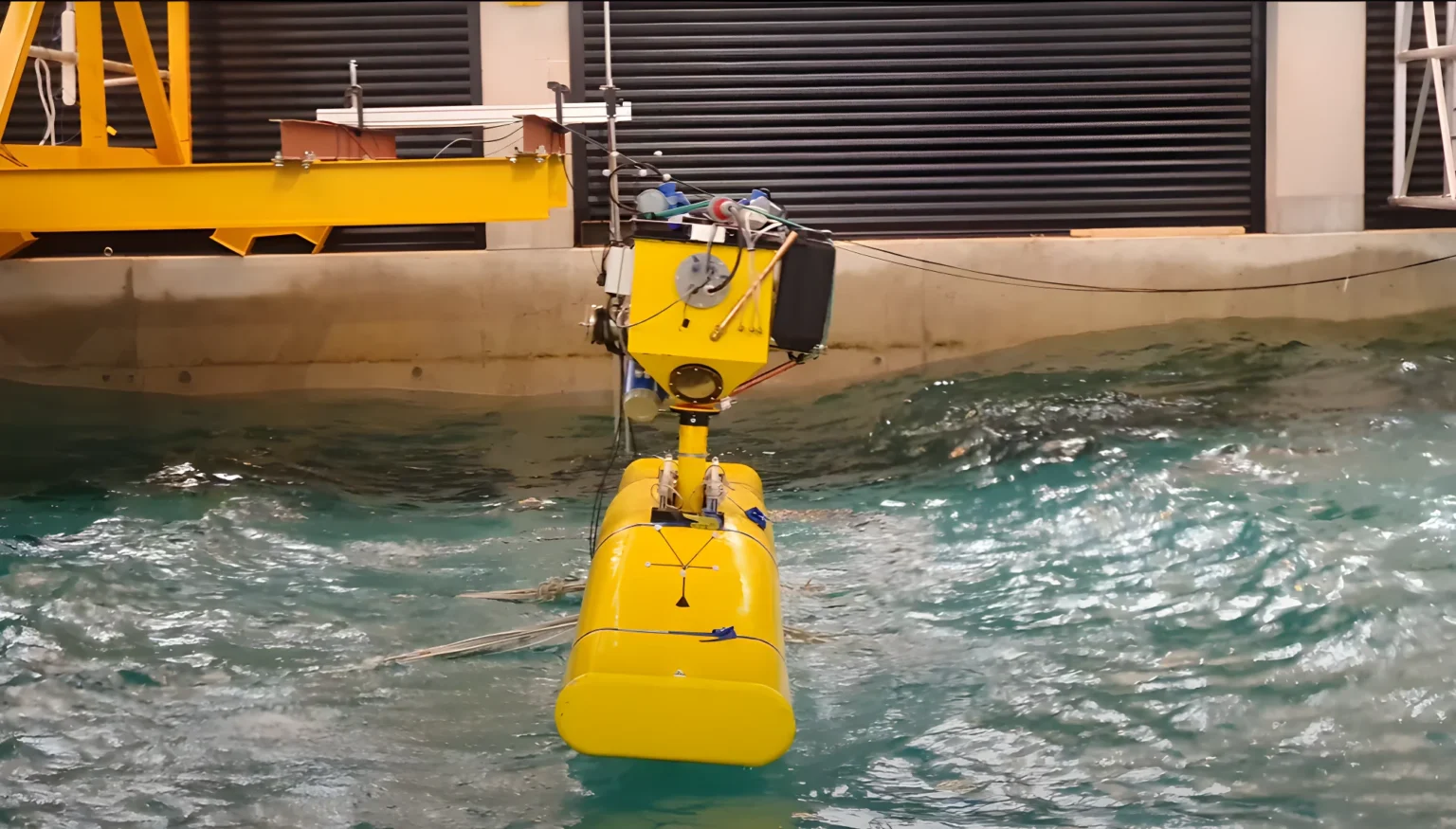 Completed
Tank testing and power-take-off validation.
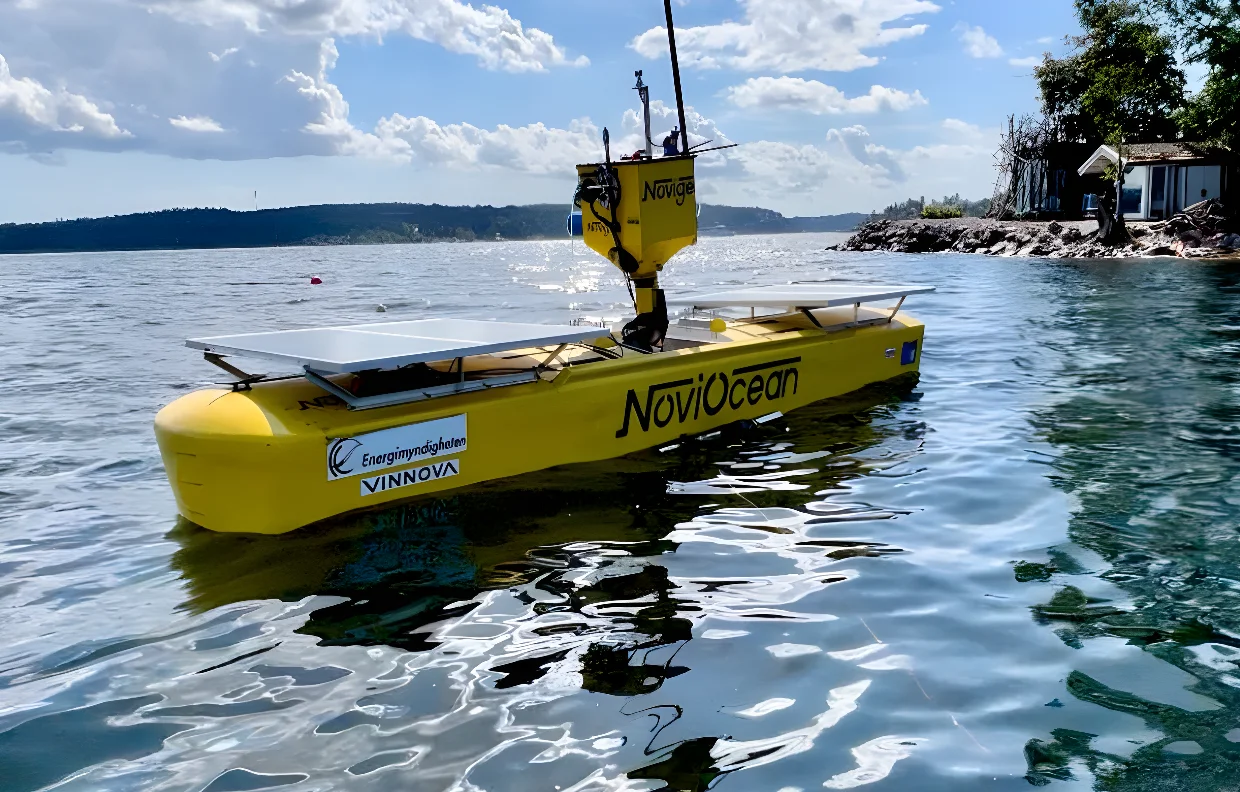 Completed
Offshore testing at Svanholmen — fourteen months of operation.
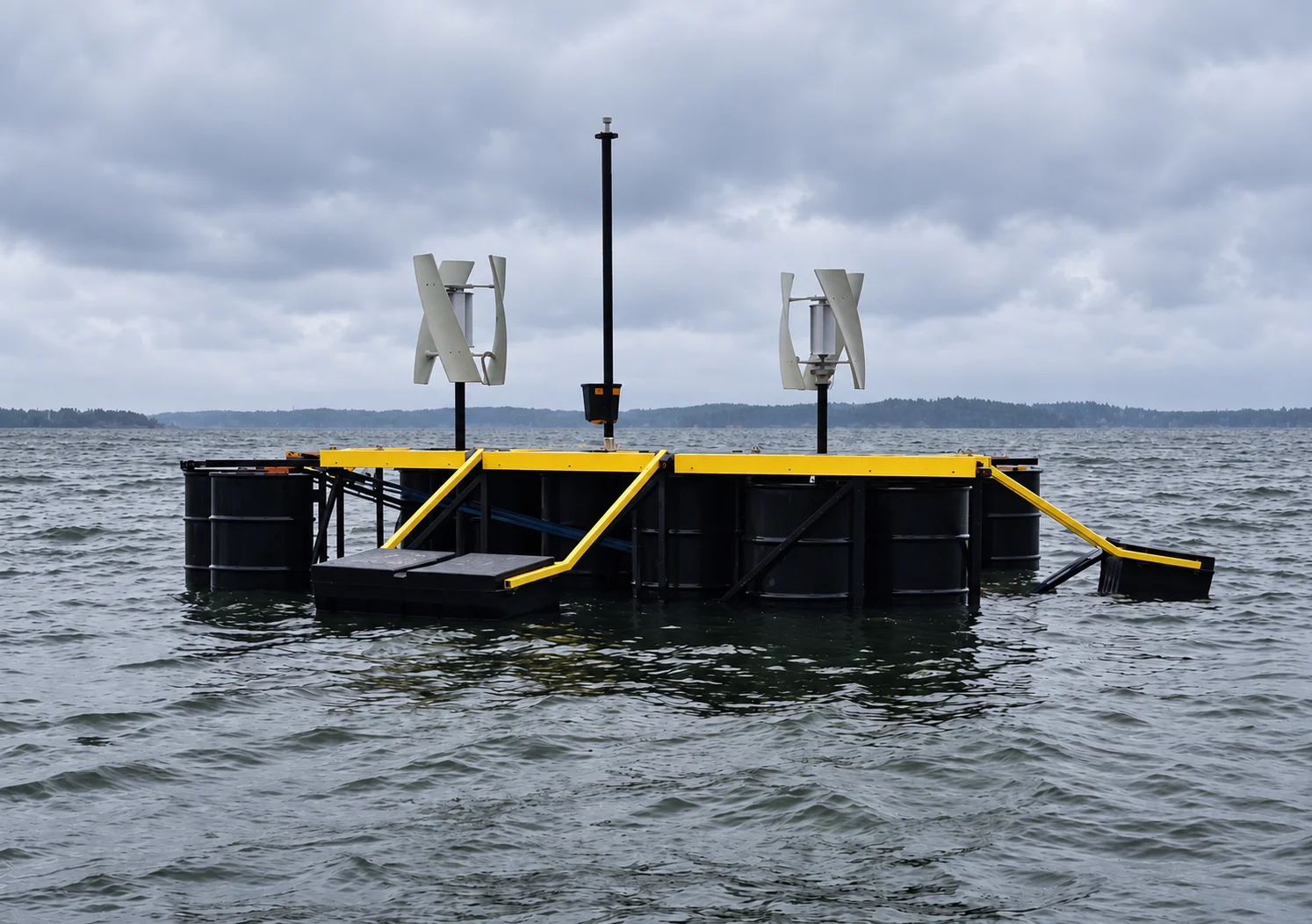 Current
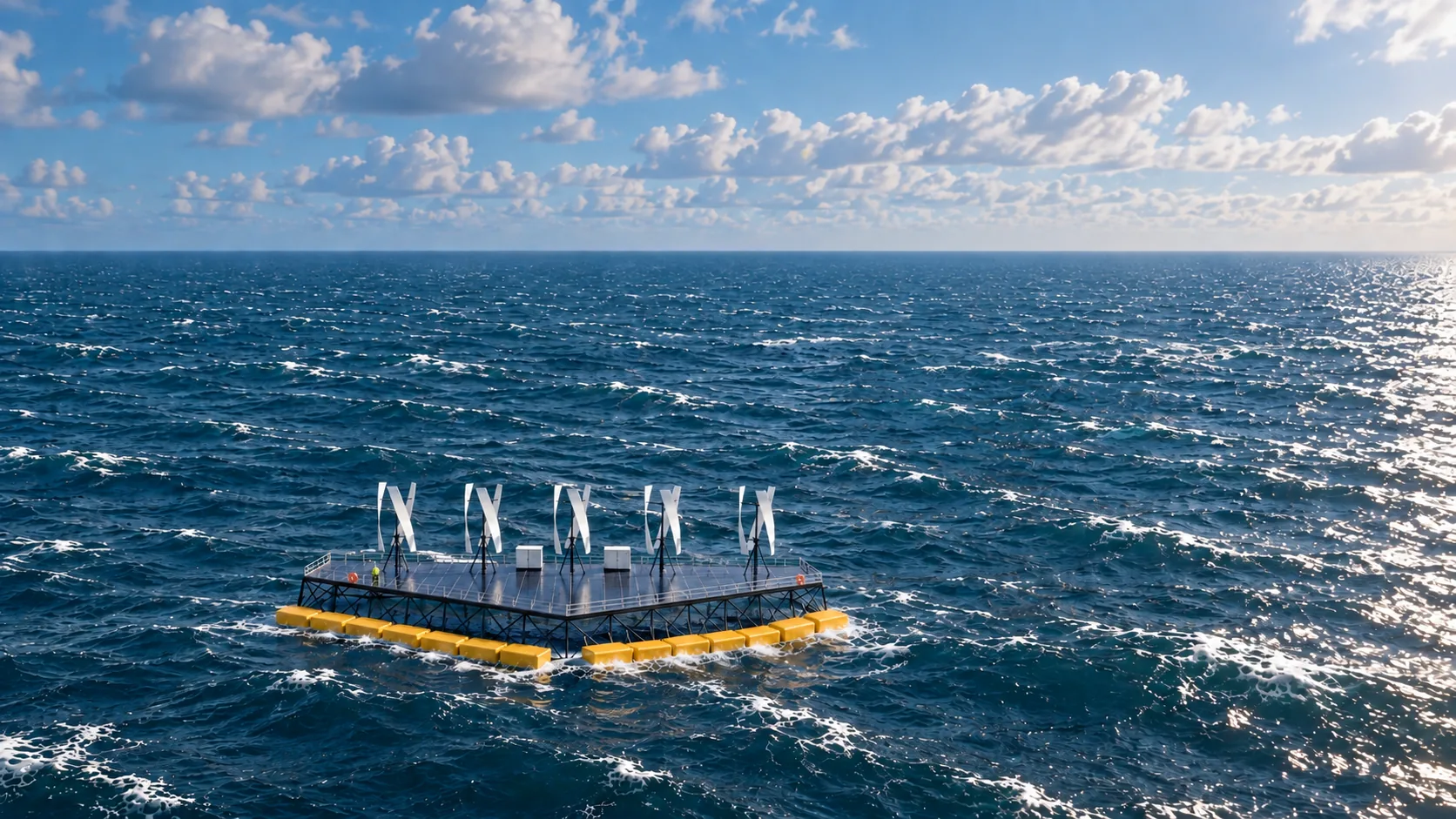
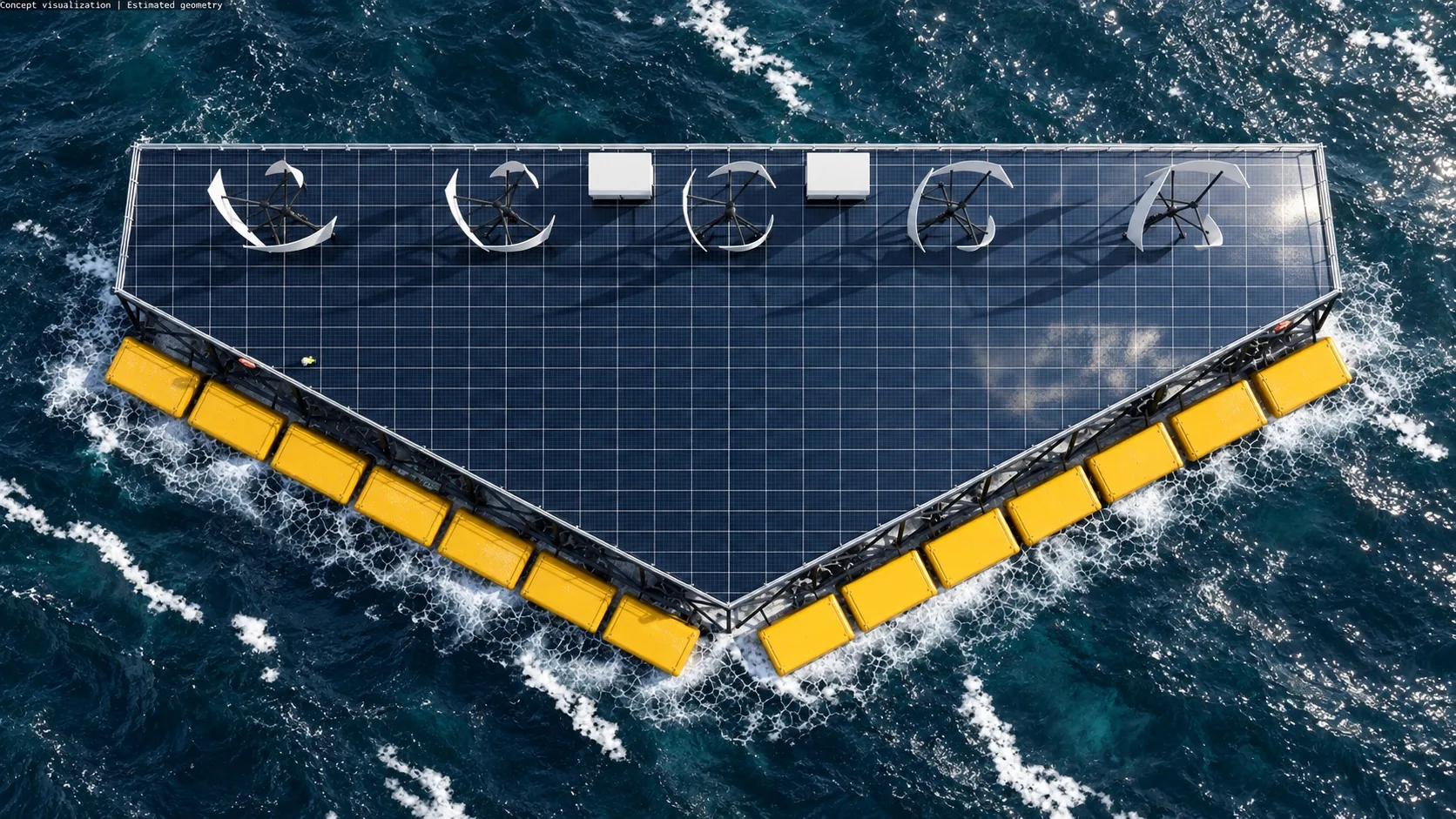
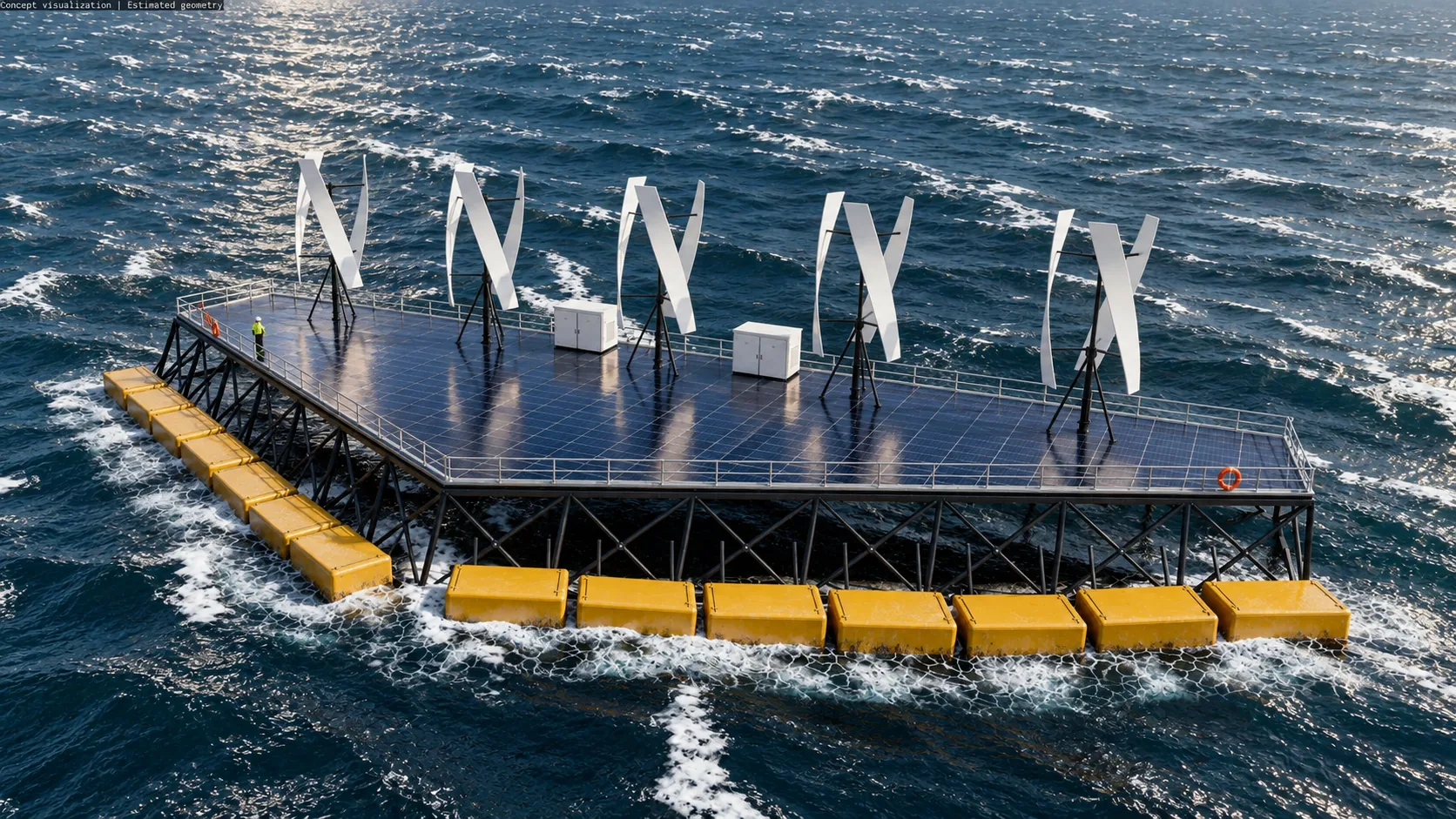
Testing hydrodynamic behaviour and simulation-model accuracy for the full-scale Medi Wave 850H design.
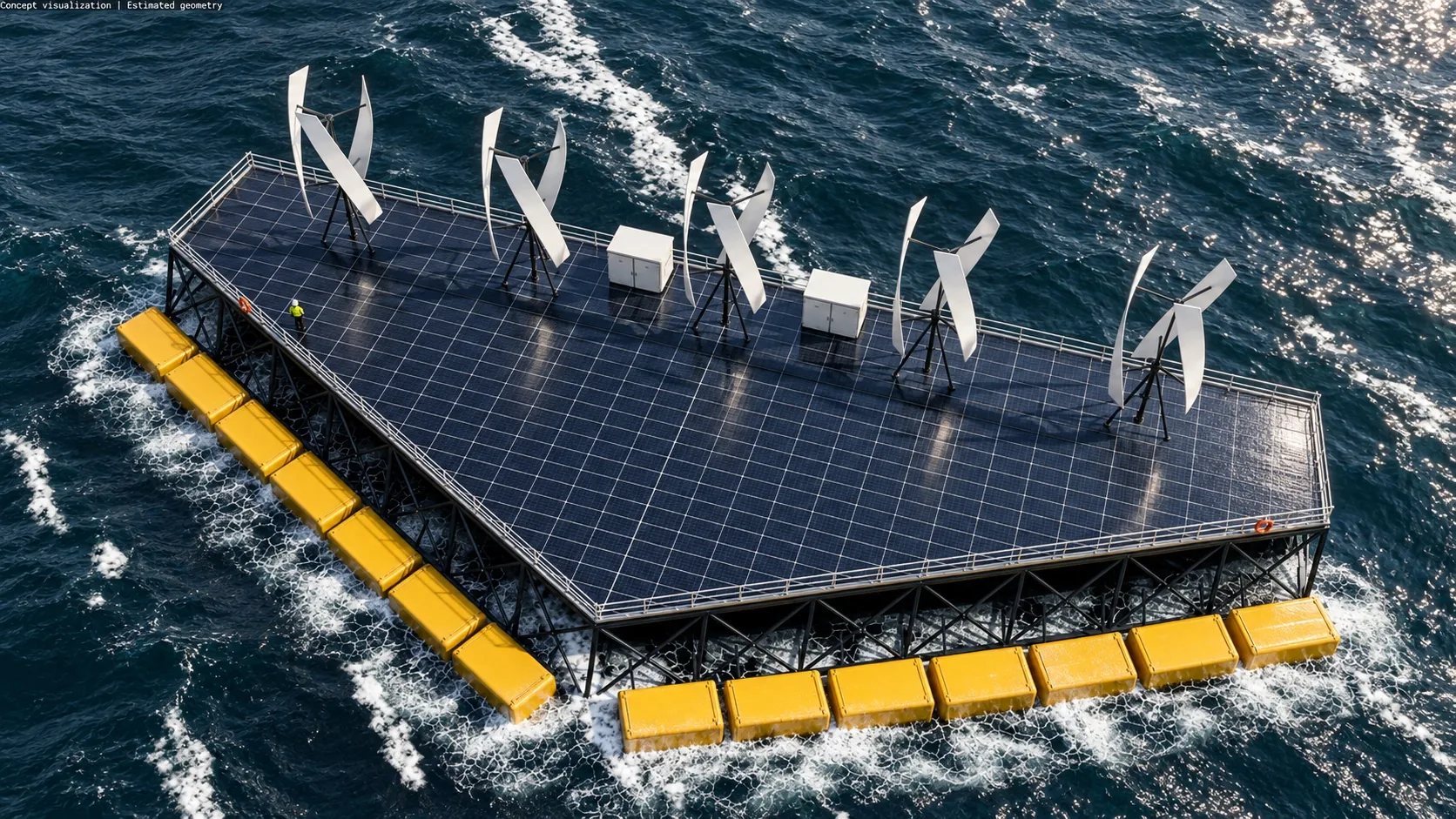 Next
Next
First customer pilot — integrated offshore performance validation.
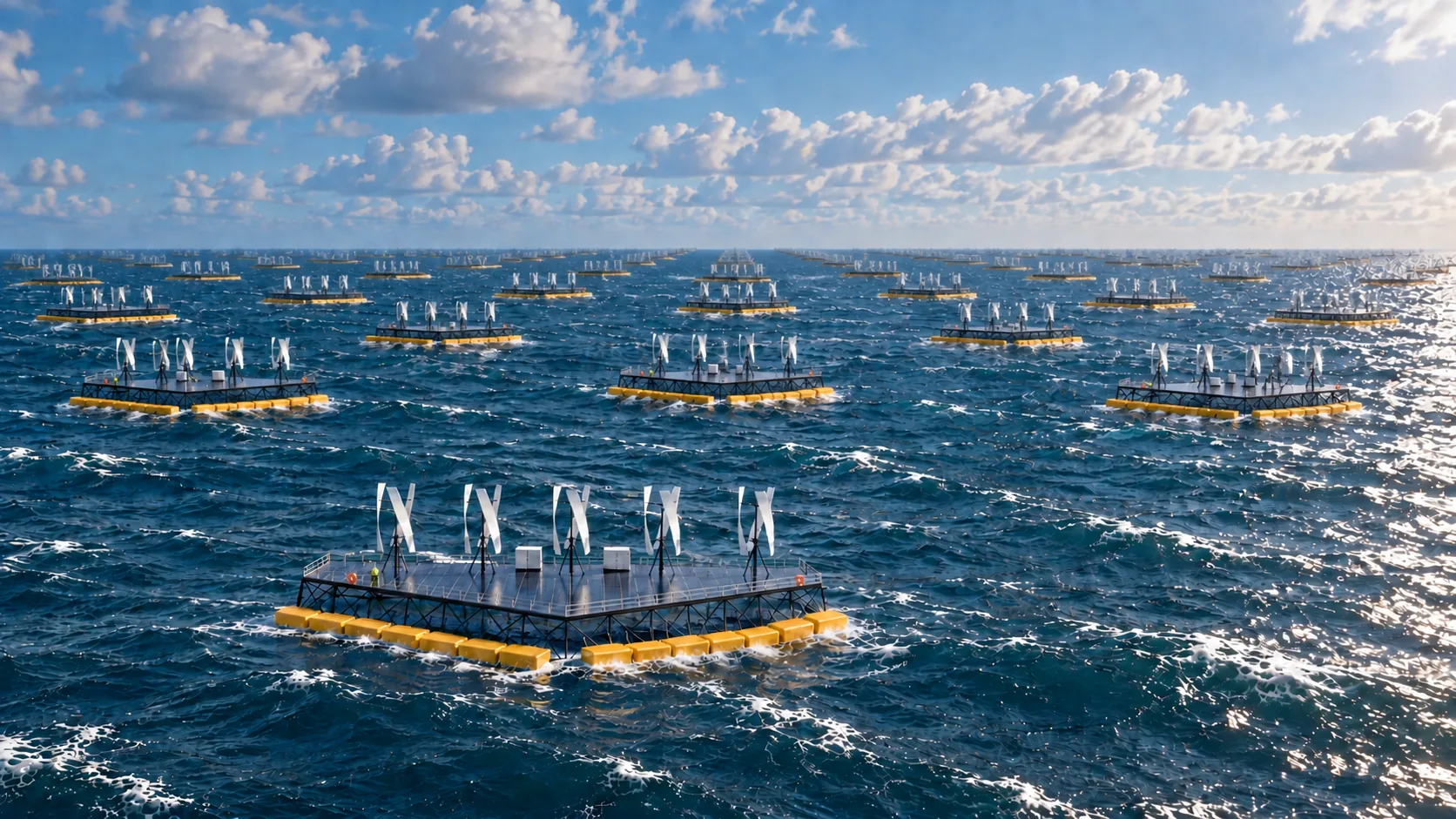 Planned
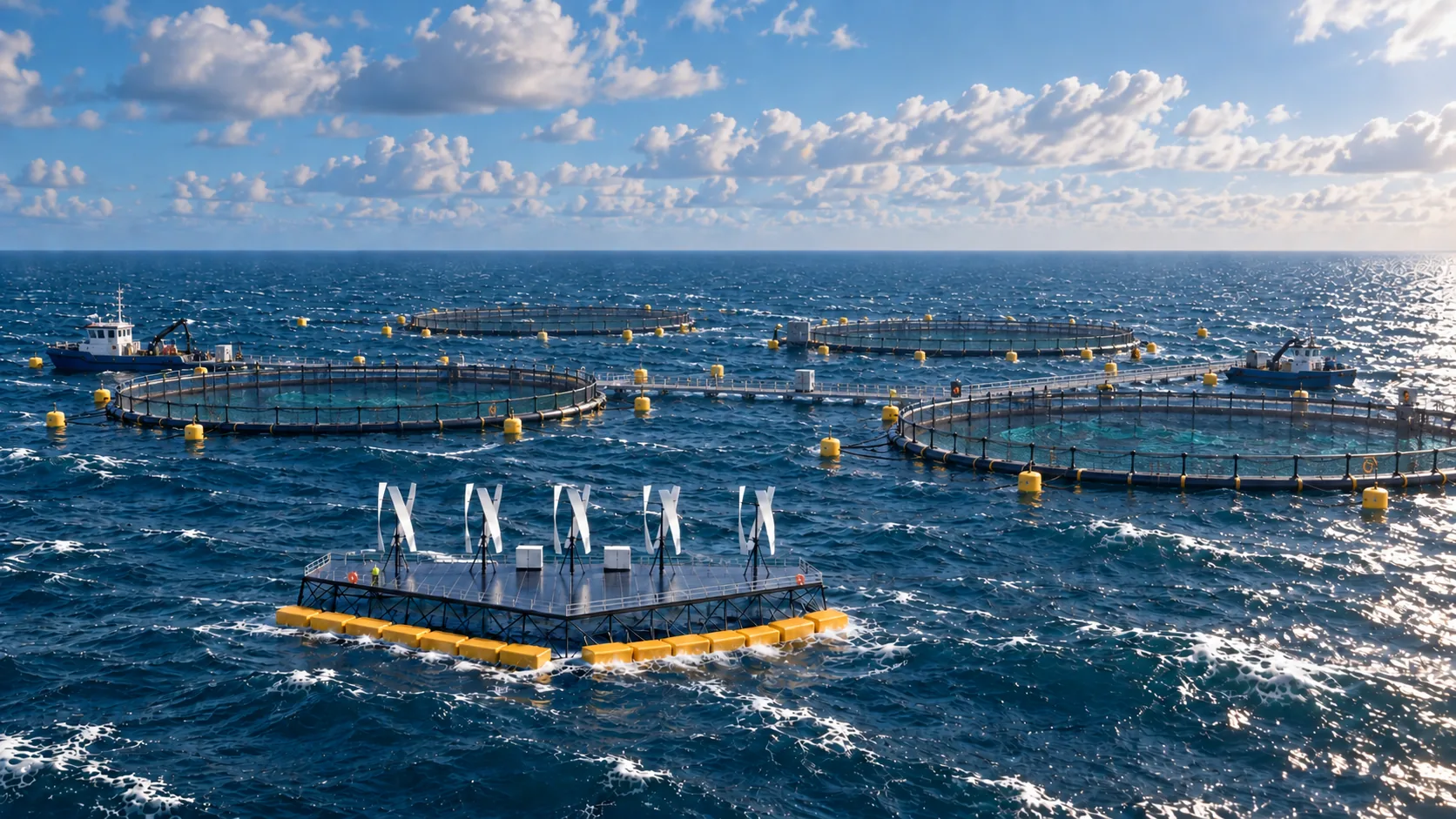
Commercial arrays and large-scale deployment.
Stages 1 to 3 are complete and rest on measured results measured · stage 4 is running now · stages 5 and 6 are planned programme phases projected
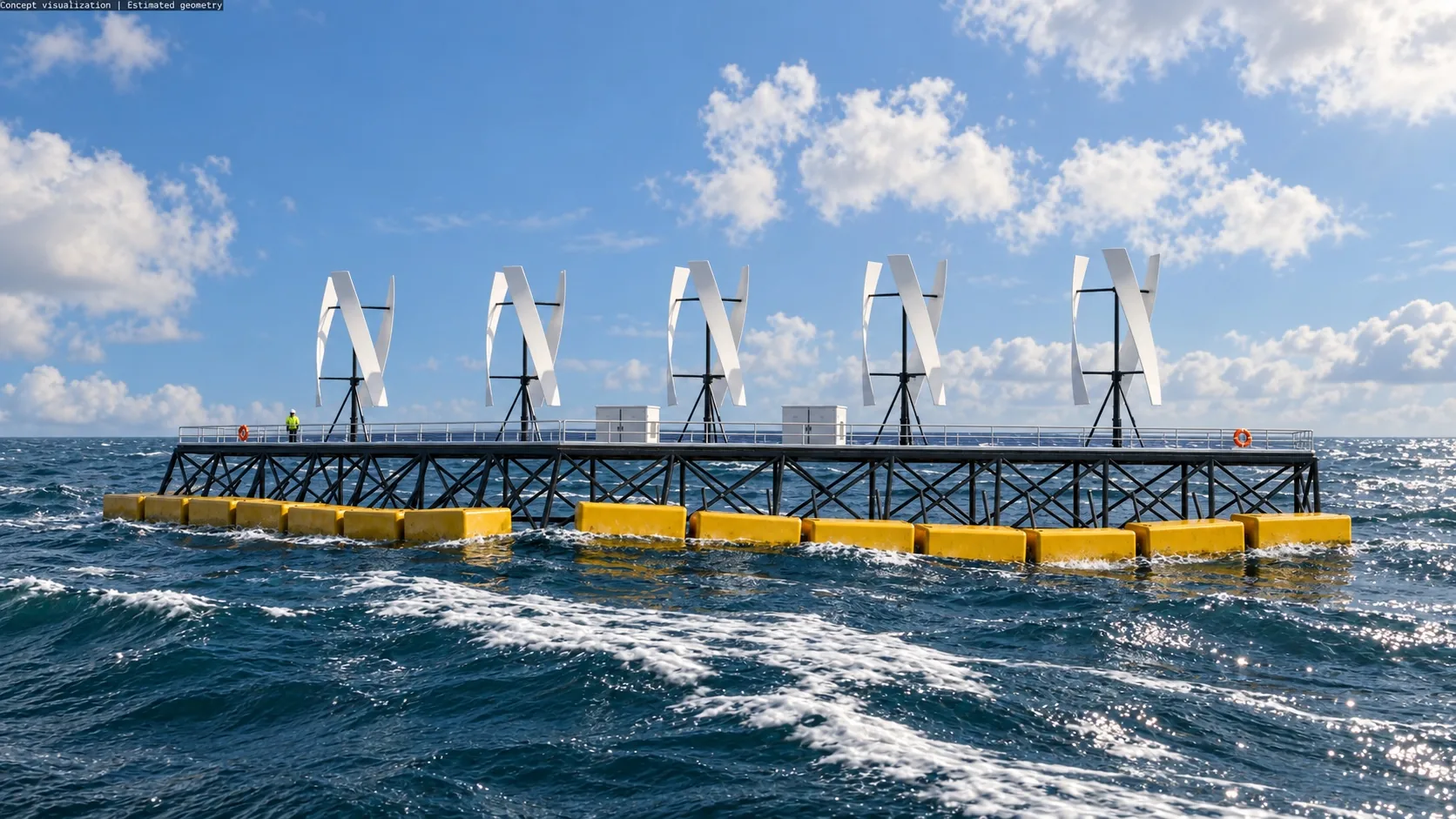
Stages 4 to 6 are shown with illustrative renderings — the actual design is shared in closer dialogues.


 Shenzhen IEIC
MIR Green Energy
Shenzhen IEIC
MIR Green Energy
Strong market interest across utilities, island communities, ports, offshore wind, research institutions and governments. management estimate
Funding, phase budgets and the commercial roadmap sit under Investor Relations →
Offshore testing
Three separate test programmes stand behind the current design: a 1:6 scale prototype in the wave tank, a land-based test rig for the power take-off, and a 1:5 hybrid prototype moored offshore in the Stockholm archipelago. Dates and definitions are stated exactly, because that is what makes them useful.
2019–2021 · TRL 4–5. Tank testing and power-take-off validation of the scaled machine, including six weeks of instrumented tank work.
24 months of test-rig runs. The power take-off — cylinder, valve, penstock and Pelton turbine — run on a land-based rig, where load cases can be repeated and instrumented in a way the open sea does not allow.
2022–2025 · TRL 6. A wave-and-solar hybrid prototype moored at Svanholmen in the Stockholm archipelago, with fourteen months of offshore operation through real Baltic weather.
The hydrodynamic model behind the design has been checked against third-party simulations, alongside the university research collaboration that has followed the programme since 2012.
Source: NoviOcean development record, as presented in the company’s extended presentation (2026). Durations are elapsed test-programme time, not continuous running hours.
NO3 programme · 2026
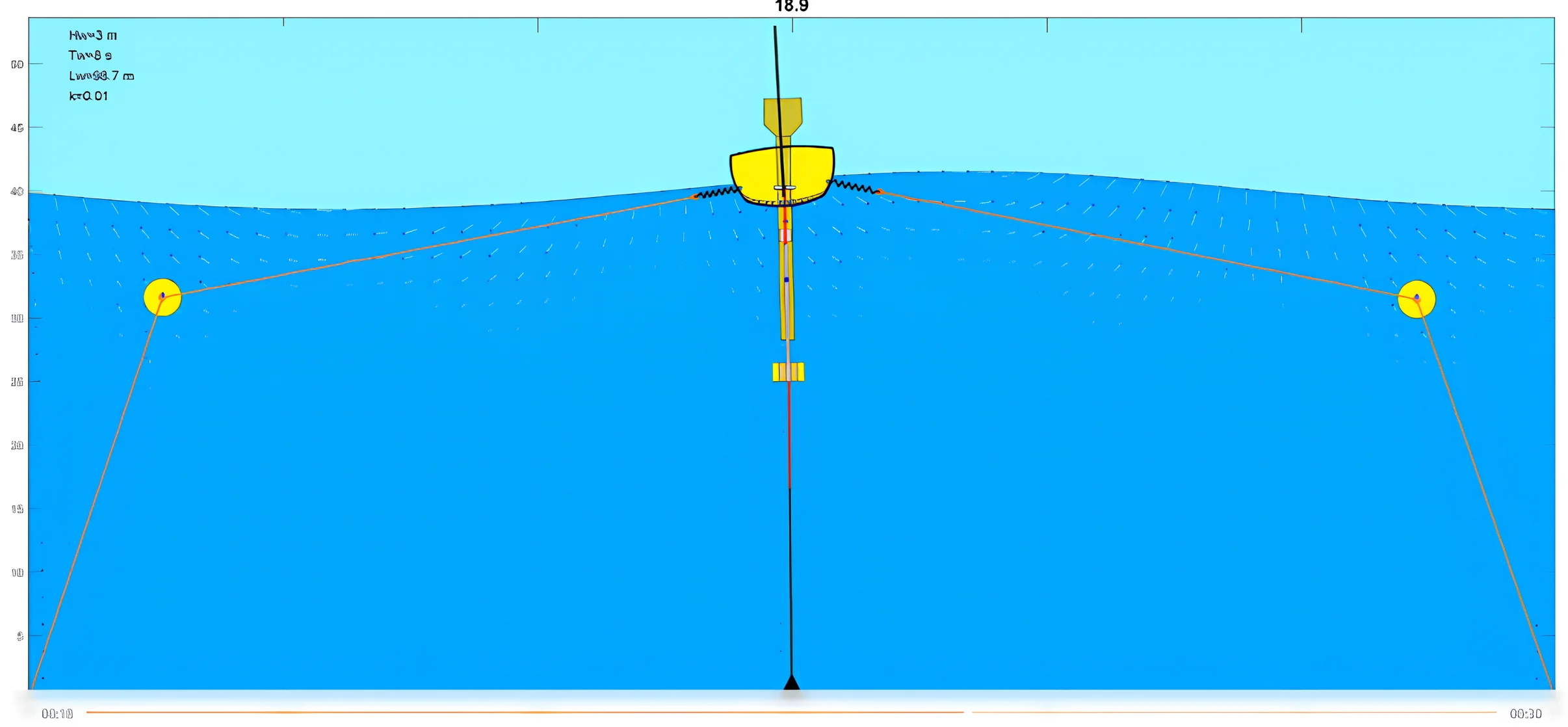
NO3 is the current demonstrator and the first NoviOcean platform to carry wave, wind and solar together. It is a hydrodynamic, structural and mooring-validation programme running in a reduced demonstrator configuration, and it is where offshore measurements are correlated against the simulation model that predicted them.
Being precise about scope matters more than sounding advanced. NO3 is not a commercial power station, and this page does not present it as one.
Model validation
NoviOcean’s numerical model is not a standalone calculation. It was built alongside the hardware and corrected against it at every stage: third-party simulations, twenty-four months of power-take-off runs on a land-based test rig, six weeks of instrumented wave-tank testing, and fourteen months of 1:6 and 1:5 scale offshore operation at Svanholmen. measured
Model agreement is reported against measured data, and only against measured data. Modelled output for any new site still requires site-specific analysis using that site’s wave climate, wind resource and irradiation.
What the model models: the Medi Wave 850H — 300 kW wave, 350 kW wind and 200 kW solar on one platform, 850 kW rated. The same figures appear on Technology, Medi Wave 850H and inside the Simulator.
Correlating a prediction against what the sea actually did is the slowest part of the programme. It is also the part that decides whether a number put in front of a customer means anything.
Evidence first, exploration second — try the scenario tool →
Patents & IP
The wave power take-off, the platform and the hybrid integration are protected as patent families rather than counted as individual filings — that is the honest unit of measure, and the one NoviOcean uses internally.
Three families spanning multiple continents and 20 countries, covering the inverted hydropower principle, the floating structure and the hybrid integration.
Additional registered designs are secured. They remain non-public until 2027–2028 under the applicable publication schedules, so they are not described here.
Further international patent filings are pending as the NO3 programme and the full-scale design mature.
The detailed IP position, including jurisdictions and status, is reviewed in dialogue rather than published.
Recognition
Every competition NoviOcean has entered, it has won, and the European Commission’s Seal of Excellence sits alongside those wins as a quality award in a non-competition category. management estimate
Recognition is not validation. Awards judge the concept, the team and the case for backing them. They do not measure a platform at sea. That is what everything above this section is for — the tank data, the rig hours, the offshore months and the correlation between the model and what the water actually did.
Test reports, measured offshore data and the model they are checked against are walked through in a meeting. The current investor package follows an introductory conversation.